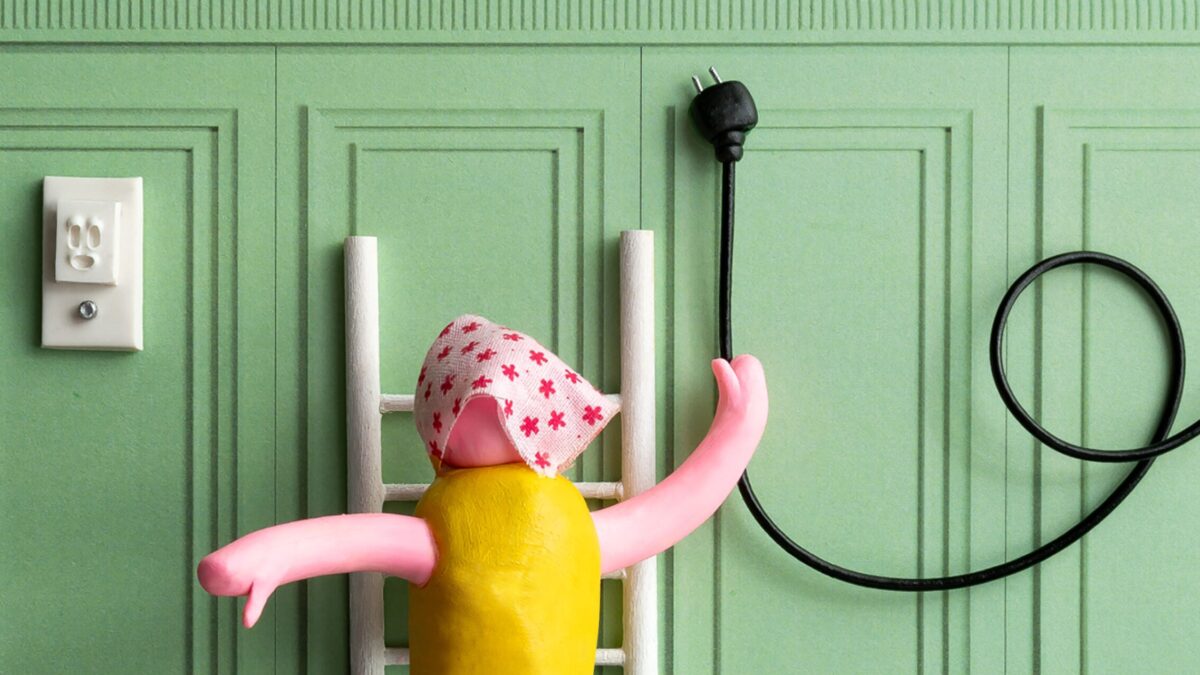
Living in an older home often feels like stepping into a charming piece of history, but it’s not without its challenges. One of the most common complaints from owners of vintage houses is the lack of electrical outlets, which can make modern living a juggling act. From powering smartphones to plugging in kitchen gadgets, today’s electricity demands are higher than ever, and older homes weren’t designed to handle them.
- Older homes often have fewer outlets, leading to creative solutions for modern electricity needs.
- Using power strips or smart plugs can help maximize outlet utility without overloading circuits.
- Electrical systems in older homes may need professional assessment to ensure safety and efficiency.
- Modern devices generally draw less power, reducing the risk of circuit overload.
- Temporary solutions like extension cords can work, but they come with safety concerns.
Why Older Homes Struggle with Modern Electricity Needs
Older homes were constructed in a time when electricity was a luxury, not a necessity. With fewer appliances and gadgets in the early 20th century, builders didn’t see the need to install multiple outlets in each room. Fast-forward to today, and homeowners are often faced with the frustration of having to unplug one device just to charge another.
Beyond the inconvenience, the electrical systems in older homes can sometimes be outdated or even unsafe. Doug Mahoney, a home-improvement writer, shared that in his 1910-built home, the electrical panel was labeled “Breaker #3: most of the house.” This highlights the inefficiency of older wiring setups, which may struggle to handle the load from modern devices.
Practical Solutions for Limited Outlets
Power Strips and Surge Protectors
One of the easiest ways to expand your outlet capacity is by using power strips and surge protectors. These devices allow you to plug in multiple items while protecting your electronics from power surges. Look for models with built-in USB ports to charge your smaller devices efficiently.
Smart Plugs
Smart plugs are another innovative solution. These devices not only expand your outlet’s capacity but also enable you to control your appliances remotely via a smartphone. They’re ideal for managing energy consumption and reducing unnecessary power usage.
Extension Cords: Use with Caution
Extension cords can be a lifesaver in homes with limited outlets, but they come with safety risks. Overloading an extension cord can lead to overheating and even fires. Always use heavy-duty cords and avoid running them under rugs or furniture.
Safety First: Assessing Your Electrical System
Before implementing any solution, it’s crucial to ensure that your home’s electrical system is safe. Sarah Witman, a powering expert, advises homeowners to look out for warning signs like flickering lights, burning smells, or outlets that feel warm to the touch. If you notice any of these issues, it’s time to call a licensed electrician.
If your home’s wiring is outdated, you might consider upgrading your electrical system. While rewiring an entire house is a significant investment, it can improve safety and increase the value of your property.
What This Means for You
If you’re living in an older home with limited outlets, you’re not alone. The good news is that there are practical solutions to help you manage your electricity needs without compromising safety. Power strips, surge protectors, and smart plugs can provide temporary relief, while assessing and upgrading your electrical system ensures long-term efficiency.
Remember, modern devices typically draw less power than older ones, reducing the risk of overloading your circuits. However, always prioritize safety by monitoring your system’s performance and addressing any red flags promptly.
Ultimately, embracing your home’s quirks while finding creative ways to adapt can make life in a vintage house both functional and enjoyable.
Frequently Asked Questions
Can I use multiple power strips in one room?
Yes, but use them cautiously and avoid plugging one power strip into another. Overloading circuits can cause safety hazards.
How do I know if my electrical system needs an upgrade?
Signs like flickering lights, warm outlets, or frequent breaker trips indicate that your system may need professional assessment.
Are smart plugs safe to use in older homes?
Yes, smart plugs are generally safe and can help you manage energy efficiently. Just ensure your outlets and wiring are in good condition.
Is it expensive to rewire an older home?
Rewiring costs vary depending on the size of the house and local labor rates. It’s a significant investment but improves safety and functionality.
Can extension cords be used permanently?
No, extension cords are designed for temporary use. Long-term reliance on them can pose safety risks and isn’t recommended.