This article contains affiliate links. When you purchase through these links, we may earn a commission — at no extra cost to you.
Feeding a baby is one of the most essential yet challenging tasks for new parents. If you’re using baby formula, the process can feel even more overwhelming with long ingredient lists, dozens of brands, and varying costs. Selecting the right formula raises important questions about nutrition, safety, and affordability.
- All FDA-approved baby formulas made for healthy, full-term infants meet safety and nutritional standards for growth and development.
- Different formulas vary in added ingredients, such as probiotics or DHA, which may offer additional benefits.
- Cost differences among formulas are significant, but higher price doesn’t always mean better quality.
- Parents should consult pediatricians for recommendations tailored to their baby’s specific needs.
Understanding Formula Standards
The FDA regulates all baby formulas sold in the United States to ensure they meet strict nutritional and safety standards. This means every formula designed for healthy, full-term infants provides adequate nutrition for growth and development from birth through the first year. Parents can rest assured that choosing an FDA-approved formula, regardless of brand, ensures their baby receives essential nutrients.
Key Ingredients in Baby Formula
DHA and Probiotics
Many formulas include added nutrients like DHA (an omega-3 fatty acid) and probiotics, which may support brain development and gut health, respectively. While these ingredients are evidence-backed, they are not mandatory for a formula to meet FDA standards. Parents should assess whether these extras align with their priorities and budget.
Cow’s Milk vs. Alternatives
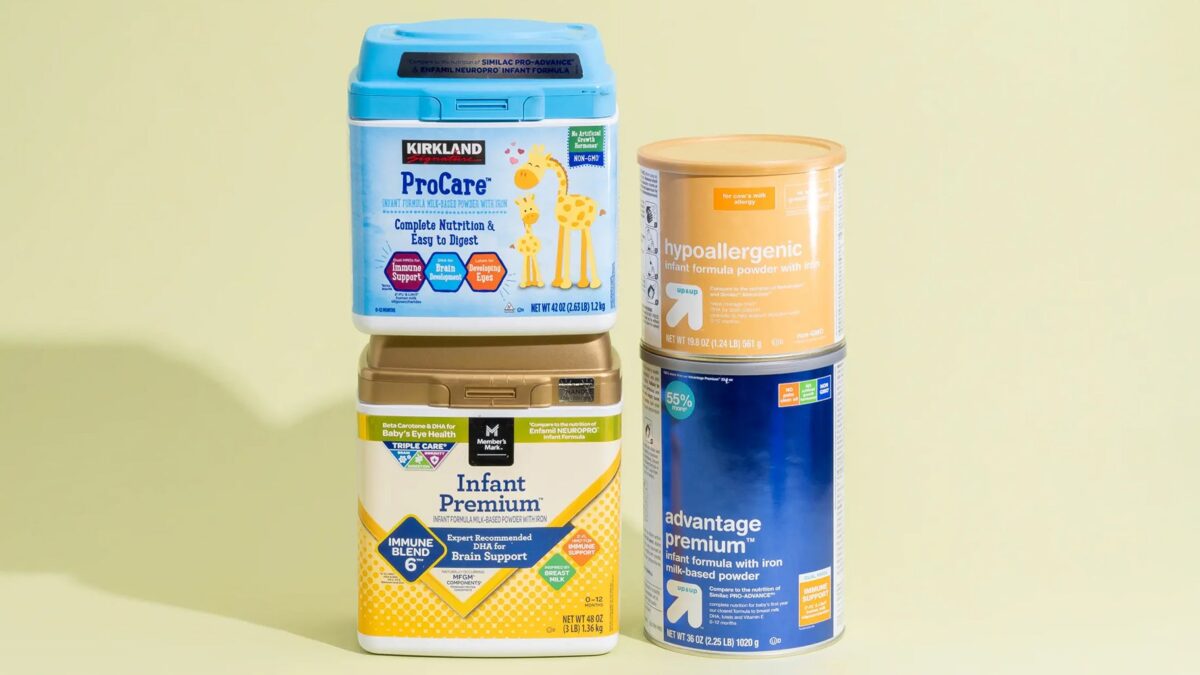
Most baby formulas are made from cow’s milk, modified to be easily digestible for infants. However, parents whose babies have milk allergies or lactose intolerance can opt for hypoallergenic or soy-based formulas. Consulting a pediatrician is crucial in identifying the right alternative.
Cost and Value
Baby formula prices can vary widely. Premium formulas with added ingredients like organic certifications or specialized nutrients often come with a higher price tag. However, research shows that basic FDA-approved formulas are equally effective in supporting normal growth. Parents should weigh the cost against potential benefits without feeling pressured to overspend.
Expert Recommendations
After analyzing the ingredients of over 60 formulas and reviewing more than 20 scientific studies, experts recommend choosing formulas based on your baby’s specific needs rather than brand reputation. Pediatricians often suggest starting with a standard formula and switching only if issues like intolerance arise. Among popular brands, Enfamil NeuroPro and Similac Pro-Advance consistently receive high marks for their balance of price, nutrition, and added benefits like DHA.
What This Means for You
Choosing the right baby formula requires balancing nutrition, cost, and your baby’s unique needs. Start with an FDA-approved formula and consult your pediatrician for any adjustments. Remember, higher price doesn’t always translate to better quality, and all approved formulas meet the necessary standards for infant growth and development.
FAQ
- Is more expensive formula better for my baby?
Not necessarily. All FDA-approved formulas meet the same basic nutritional requirements, and higher prices often reflect added ingredients or branding. - Can I switch formulas if my baby shows intolerance?
Yes, but consult your pediatrician first. They can recommend alternatives like hypoallergenic or soy-based formulas. - What should I look for in a baby formula?
Focus on FDA approval, cost, and any specific needs your baby might have, such as lactose intolerance or allergies. - Are DHA and probiotics necessary in baby formula?
While not mandatory, these ingredients may offer additional benefits for brain development and gut health. - How do I know if my baby formula is safe?
All formulas sold in the U.S. are FDA-regulated, ensuring safety and nutritional adequacy for healthy infants.