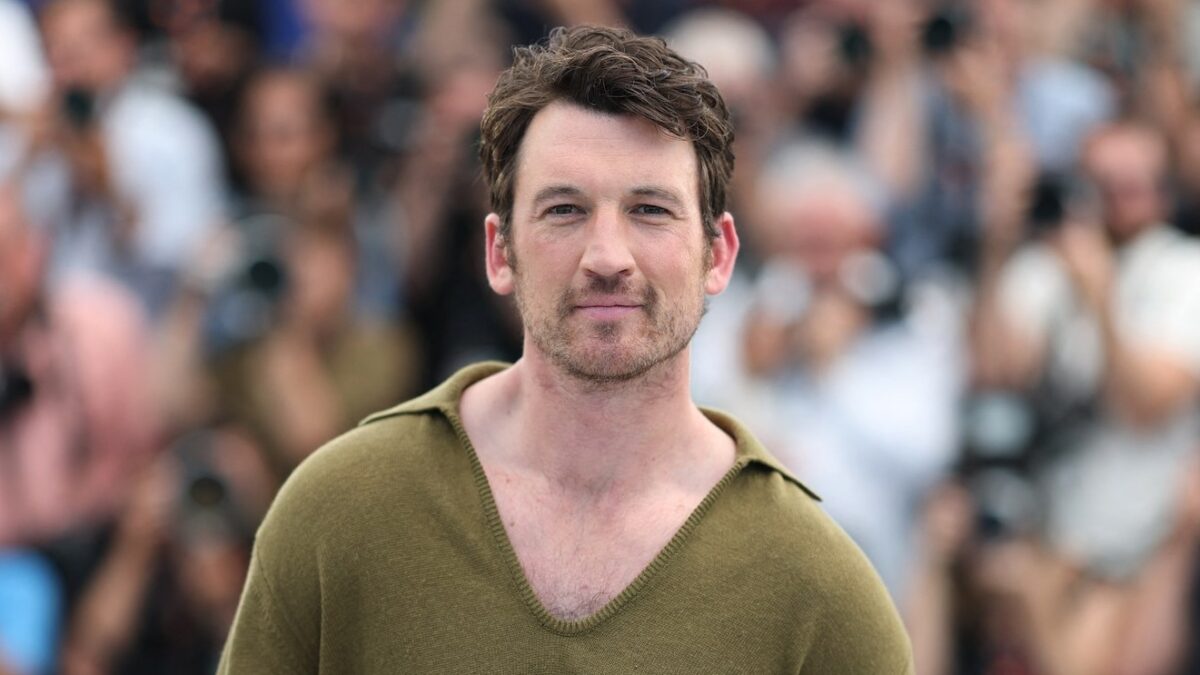
Miles Teller’s career has been a rollercoaster of critical acclaim and contentious public moments, and one particular event seems to have shaped his approach to the media: his infamous 2015 interview with Esquire. In a resurfaced conversation with IndieWire, the actor opened up about how the profile’s portrayal of him made him rethink extended interviews entirely.
- Miles Teller’s 2015 Esquire interview described him as “kind of a d***,” which he publicly refuted.
- The profile shaped how Teller interacts with the media, leading him to avoid extended interviews.
- Teller has since prioritized his reputation on set, emphasizing kindness and professionalism.
- He believes negativity drives clicks, which often distorts the true character of public figures.
- The fallout provides insight into how celebrities navigate reputation management.
Miles Teller’s 2015 Esquire Interview
The profile, titled Miles Teller Is Young, Talented, and Doesn’t Give a Rat’s Ass What You Think, became infamous for its controversial tone, repeatedly describing Teller as “kind of a d***.” The journalist even opened the piece by pondering whether Teller was, in fact, a “d***.” The article framed Teller as brash, overly confident, and self-absorbed—traits that Teller has vehemently denied.
In response, Teller took to X (formerly Twitter) and tagged Esquire, writing, “Couldn’t be more wrong. I don’t think there’s anything cool or entertaining about being a d*** or an a**hole. Very misrepresenting.” He expressed frustration at the caricatured depiction, calling it a violation of his character.
How It Impacted Teller’s Media Strategy
Reflecting on the experience in his May 2026 IndieWire interview, Teller admitted that the 2015 profile led him to avoid extended interviews altogether. “The reason why I have not done profiles is because I said, ‘Wow, if I’m not doing this interview on camera, this person can misquote things or put things out of order or say things that didn’t happen,’” Teller explained. He described the Esquire piece as feeling like a “violation” of his true self.
“I told my team, ‘Guys, I don’t think I’m doing this again,’” he said, emphasizing his discomfort with how his words were twisted. This shift underscores the delicate balance celebrities must strike between media exposure and safeguarding their personal narratives.
Teller’s Perspective on Reputation
In his 2026 interview, Teller reflected on how negativity often dominates headlines, noting, “It’s unfortunate that being a good person doesn’t sell. People want to click on the negativity.” Despite the media portrayal in 2015, Teller believes his reputation on set speaks louder than any profile. “The actors, the directors, the crew, the producers, you can’t hide who you are when you’re on set,” he said.
Teller emphasized that his focus is on how he treats people daily. “If you go to bed and put your head on your pillow and how you treat people truly, that’s what matters,” he shared. His comments offer a refreshing take in an industry often focused on public perception over genuine character.
What This Means for You
Miles Teller’s story highlights the challenges of navigating public life and the importance of protecting your narrative. If you’re dealing with misrepresentation at work or in your personal life, his approach offers a valuable lesson: focus on authenticity over external validation.
For celebrities and everyday individuals alike, reputation is built over time through actions, not headlines. Teller’s choice to prioritize kindness and professionalism on set demonstrates how character can ultimately outshine fleeting negativity. Let this moment inspire you to focus on how you treat people in real life, rather than chasing public approval.
Frequently Asked Questions
What did Esquire say about Miles Teller?
The 2015 profile described him as “kind of a d***” and framed him as overly confident and brash.
How did Miles Teller respond to the interview?
He publicly refuted the claims on X, calling the depiction “very misrepresenting” and emphasizing that it didn’t reflect who he truly is.
Why did Teller stop doing extended interviews?
He felt the Esquire profile misquoted and misrepresented him, leading him to avoid situations where his words could be distorted.
Has the controversy affected his career?
Not significantly. Teller’s reputation on set and his performances have continued to earn him respect within the industry.
What lesson can we learn from Teller’s experience?
Authenticity and consistent kindness can outweigh negative portrayals. Focus on your actions, not external narratives.