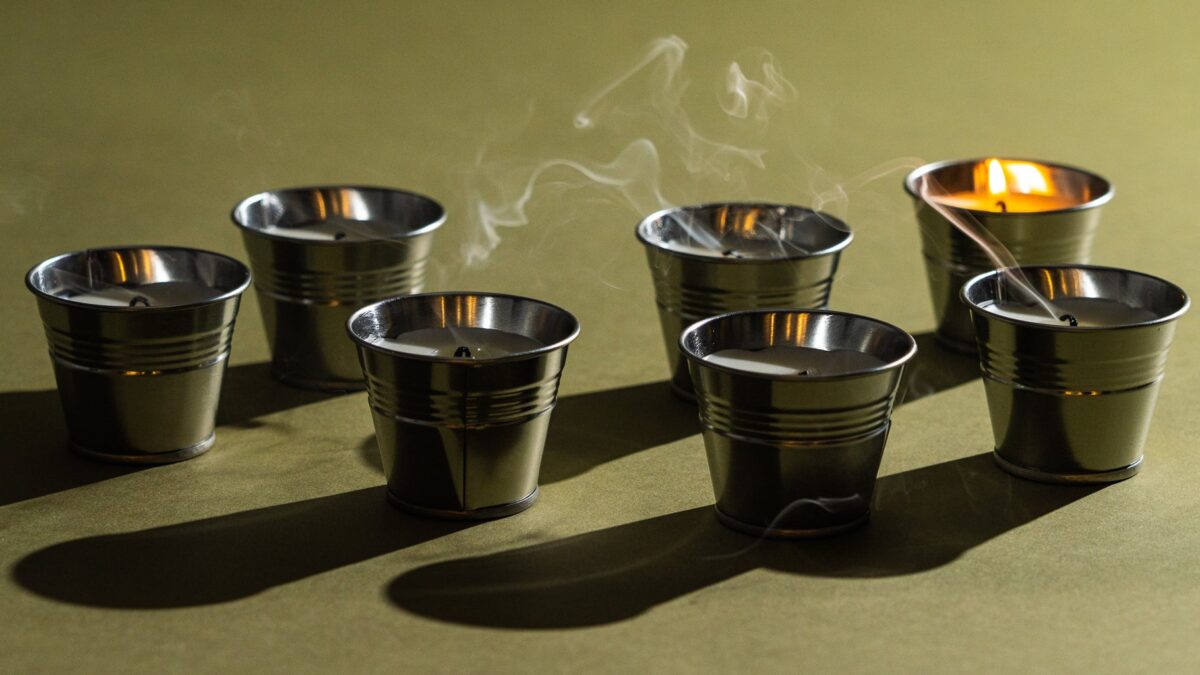
Mosquitoes are among the most irritating pests of summer. They swarm around us, leaving itchy red bites in their wake, and even pose health risks by spreading diseases such as Zika and West Nile viruses. It’s no wonder we reach for quick fixes like citronella candles to keep them at bay. But here’s the truth: citronella candles don’t actually work as advertised, and you might be wasting your money.
- Citronella candles are largely ineffective at repelling mosquitoes, despite widespread belief.
- Scientific studies show that citronella’s mosquito-repelling properties are minimal, especially in outdoor environments.
- There are proven alternatives, such as EPA-approved repellents containing DEET or picaridin.
- Environmental factors, such as wind and humidity, reduce citronella’s effectiveness even further.
- Understanding what truly works can save you time, money, and frustration during mosquito season.
Why Citronella Candles Don’t Work
Citronella candles are marketed as a natural solution to repel mosquitoes, often with the promise of creating a mosquito-free zone in your backyard or patio. The reality, however, is far less effective. Citronella oil, derived from certain types of lemongrass, does have mild mosquito-repelling properties, but these are largely negated when the oil is burned in candle form.
Studies have shown that citronella candles provide limited protection against mosquitoes, and their effectiveness diminishes even further in outdoor settings. Factors like wind and open spaces dilute the concentration of citronella in the air, making it nearly impossible to repel mosquitoes in meaningful numbers. Additionally, mosquitoes often adapt to repellents over time, further reducing the candles’ utility.
While the scent of citronella might mask human odors to some extent, it doesn’t create the strong barrier needed to keep mosquitoes away. Instead of relying on candles, it’s worth exploring other proven methods to protect yourself and your guests from bites.
What Actually Works Against Mosquitoes
If citronella candles aren’t the answer, what can you do to fend off these relentless pests? The key lies in using products and strategies that are scientifically proven to work.
EPA-Approved Repellents
Repellents containing DEET or picaridin remain the gold standard for mosquito protection. These ingredients have been extensively tested and are recommended by the Centers for Disease Control and Prevention (CDC) for their effectiveness in repelling mosquitoes and other biting insects.
DEET is particularly effective, providing long-lasting protection that can last for hours. Picaridin offers a comparable alternative, with a lighter feel and less odor than DEET-based products. Both options are available in sprays, lotions, and wipes, giving you flexibility in how you apply them.
Physical Barriers
Sometimes, the simplest solutions are the most effective. Mosquito nets, screen doors, and protective clothing can create physical barriers that mosquitoes cannot penetrate. Lightweight, long-sleeved shirts and pants can also reduce the number of exposed areas that mosquitoes target.
Environmental Control
Managing your environment can significantly reduce mosquito populations. Eliminating standing water, where mosquitoes breed, is a critical first step. This includes emptying flower pots, bird baths, and other water-holding containers around your home. You can also use mosquito traps or zappers to reduce their numbers further.
Fans are another overlooked but effective tool. Mosquitoes are weak fliers, so placing fans around seating areas can disrupt their flight paths and keep them away from you and your guests.
What This Means for You
The next time you’re tempted to buy citronella candles for your summer gatherings, think twice. While they might add ambiance to your patio, they won’t save you from mosquito bites. Instead, invest in methods that actually work, such as EPA-approved repellents and environmental controls.
For outdoor enthusiasts, sprays or lotions with DEET or picaridin should be your go-to. If you’re hosting a backyard event, consider using fans and removing any standing water nearby. These steps might require a bit more effort, but they’ll pay off with a more enjoyable, mosquito-free experience.
Understanding the science behind these solutions helps you make smarter choices, saving money and frustration in the long run. Don’t fall for marketing promises that don’t deliver—stick to proven methods to keep mosquitoes at bay.
Frequently Asked Questions
Do citronella candles repel mosquitoes indoors?
Citronella candles are slightly more effective indoors because the scent concentration isn’t diluted by wind or open spaces. However, their effectiveness is still minimal compared to other repellents.
How can I protect my kids from mosquito bites?
For children, opt for repellents with lower concentrations of DEET or use picaridin-based products. Protective clothing and mosquito nets are also excellent alternatives.
Are natural remedies like lavender or peppermint oil effective?
While some essential oils have mild mosquito-repelling properties, they are not as effective as DEET or picaridin. Use them as supplementary measures rather than primary protection.
Do mosquito traps really work?
Mosquito traps can reduce mosquito populations effectively, especially in smaller areas. However, they should be used in combination with other methods for best results.
What’s the best way to eliminate mosquitoes from my yard?
Remove standing water, use mosquito traps or zappers, and place fans around seating areas. These measures, combined with repellents, offer comprehensive protection.