This article contains affiliate links. When you purchase through these links, we may earn a commission — at no extra cost to you.
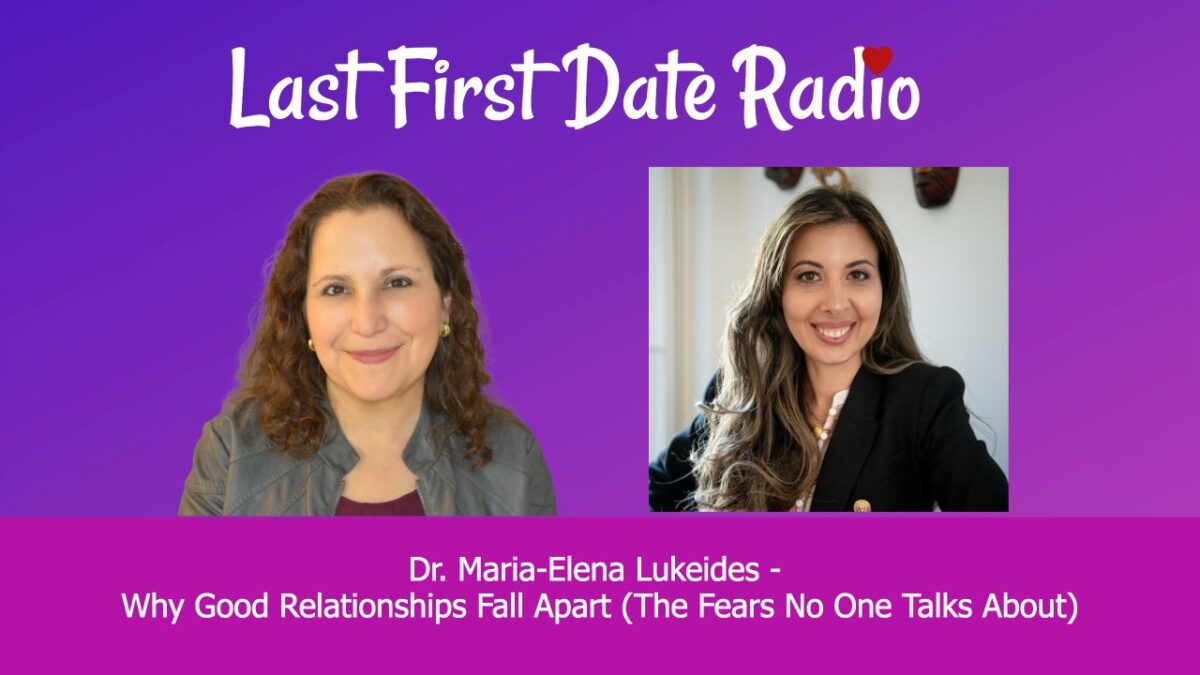
Relationships can be a beautiful source of connection, growth, and fulfillment. Yet, many falter under the weight of unspoken fears. Dr. Maria-Elena Lukeides, a Sydney-based Clinical Psychologist and meditation teacher, sheds light on the deep-rooted fears that sabotage relationships and offers actionable insights to help individuals navigate them.
- Three core fears—vulnerability, failure, and rejection—commonly disrupt relationships.
- These fears often stem from early experiences and evolve into predictive patterns.
- Healing involves self-compassion, boundary-setting, and incremental exposure to emotional risks.
- Effective communication and testing compatibility early can strengthen connections.
- Approaching dating with curiosity and playfulness can lead to healthier outcomes.
Core Fears in Relationships
Dr. Lukeides identifies three key fears that sabotage relationships:
Fear of Vulnerability
Many individuals shy away from vulnerability, believing they cannot cope with emotional demands. This avoidance creates barriers to deep, meaningful connections. The fear often stems from survival instincts, prompting people to retreat rather than face emotional growth.
Fear of Failure
Impostor syndrome and fear of criticism lead to hesitancy in relationships. People avoid situations that might expose perceived incompetence, preferring to remain in their comfort zones. This fear can stifle the development of a partnership’s potential.
Fear of Rejection
Attachment wounds from early experiences condition individuals to fear exclusion or abandonment. These predictive “algorithms” skew interpretations of current interactions, often leading to self-fulfilling prophecies of rejection.
Healing From Relational Fears
Healing requires introspection, self-compassion, and intentional steps forward. Dr. Lukeides offers practical strategies to address fears:
Self-Compassion and Parts Work
Rather than suppressing fears, name and dialogue with them. Treat fears as protective parts attempting to safeguard you from harm. Bringing these exiled or shameful parts into a nonjudgmental “field of love” fosters healing.
Incremental Self-Disclosure
Gradually exposing yourself to emotional risks in relationships is more effective than attempting to neutralize defenses entirely. The “dance” of incremental disclosure—sharing small pieces of vulnerability and observing responses—builds trust over time.
Boundary Setting
Clear articulation of needs and boundaries early in dating helps establish mutual respect. Sharing preferences and discussing sensitive topics should be seen as valuable data, not confrontational acts.
Practical Dating Strategies
Dr. Lukeides emphasizes a playful and experimental approach to dating:
- Treat dating as play: Opt for active, shared activities like museum visits or nature walks to observe a partner’s behavior naturally.
- Lean back: Avoid compensating by over-planning or paying for everything. This provides space to see who will step up and reciprocate effort.
- Test compatibility: Observe small indicators, such as politeness during interruptions, treatment of service staff, and willingness to make plans.
What This Means for You
If fears have been holding you back in relationships, it’s time to confront them with intentional strategies. Start by identifying your fears and understanding their roots. Incorporate self-compassion and recognize that boundaries are essential, not optional. Whether you’re navigating dating or strengthening an existing relationship, incremental vulnerability and thoughtful communication will help you build trust and connection.
FAQ
- How do I recognize my relational fears? Reflect on moments of anxiety or avoidance in relationships. Ask yourself what you’re trying to protect and how these behaviors may stem from past experiences.
- What is parts work? Parts work involves identifying different aspects of your personality (such as fears or defenses) and interacting with them compassionately. This promotes healing and integration.
- How can I test compatibility early in dating? Pay attention to how a partner treats others, responds to small boundaries, and engages in shared activities. These behaviors often reveal deeper values.
- What’s the best way to set boundaries? Clearly articulate needs and preferences early. Frame boundary-setting as a way to share information rather than as criticism.
- How do I overcome impostor syndrome in relationships? Focus on growth and self-acceptance. Embrace the idea that relationships are about mutual learning and support, not perfection.