This article contains affiliate links. When you purchase through these links, we may earn a commission — at no extra cost to you.
In a world where traditional relationship models often dominate the narrative, a quiet revolution is reshaping what it means to be romantically involved after fifty. Enter the concept of Living Apart Together (LAT)—a deliberate choice to maintain separate homes while nurturing a deep and committed partnership. This trend, embraced increasingly by mature couples, challenges long-held beliefs about intimacy, independence, and the nature of love itself.
- Living Apart Together (LAT) allows couples over fifty to maintain independence while fostering meaningful connections.
- Physical distance can help preserve romantic spark and reduce logistical tensions in relationships.
- LAT requires clear communication, legal agreements, and intentional boundaries to succeed.
- Older couples are redefining romance by prioritizing personal fulfillment alongside partnership.
- Educating friends and family about LAT can help normalize this relationship structure.
Why LAT Is Gaining Popularity
LAT relationships have become particularly appealing to individuals entering their fifties and sixties, many of whom have spent decades managing shared lives, households, and responsibilities. After years of pouring themselves into caretaking roles, the idea of maintaining autonomy while enjoying romantic companionship feels liberating. The pandemic further illuminated the benefits of personal space, prompting many to reassess their relationship models.
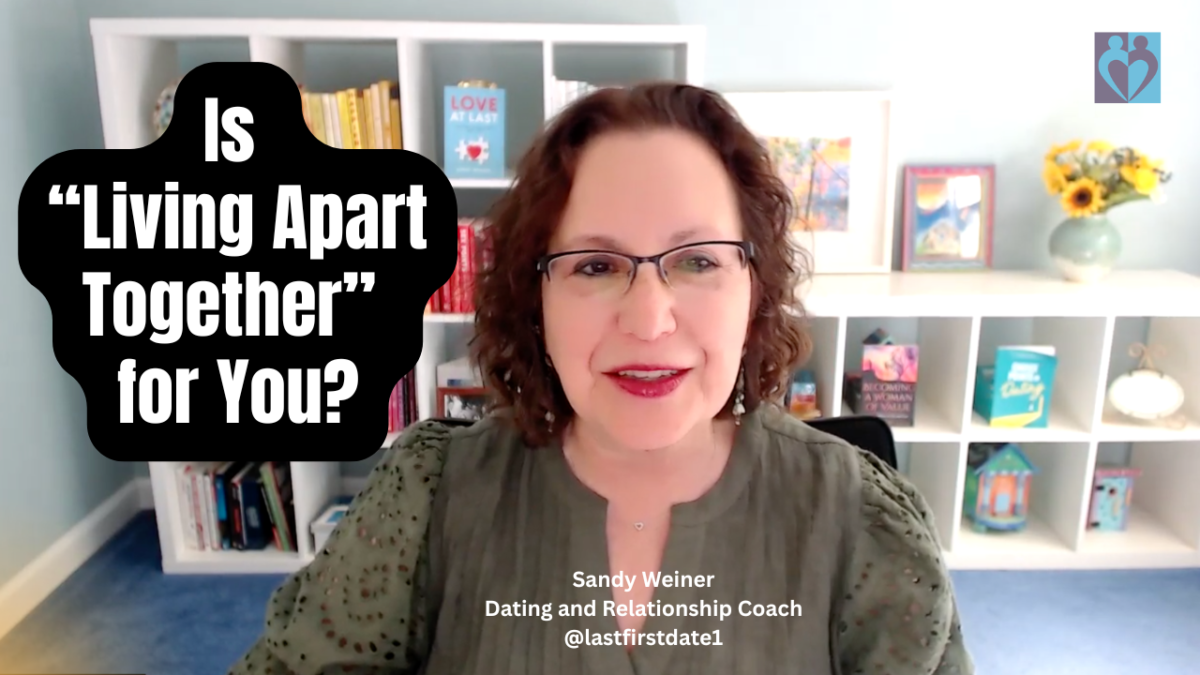
For women especially, LAT offers an opportunity to break free from traditional caretaker dynamics. As Sandy Weiner, author of Becoming a Woman of Value; How to Thrive in Life and Love, explains, maintaining separate homes allows partners to show up for each other out of desire rather than obligation. This subtle but powerful shift can transform the emotional dynamics of a relationship.
How Distance Preserves Romance
One of the most compelling aspects of LAT is its ability to sustain the romantic spark that often fades in long-term cohabitation. Couples who live apart experience the “arrival effect”—the excitement of choosing to be together rather than defaulting to proximity. Every visit feels intentional, every date carries the thrill of novelty.
Beyond emotional benefits, LAT solves many logistical frustrations. Separate homes mean less conflict over sleep schedules, home aesthetics, and daily routines. As anyone who has argued over furniture placement or dealt with snoring can attest, these seemingly minor issues can strain even the strongest relationships.
Breaking the Caretaker Pattern
Women who have spent years adopting caretaker roles often find LAT freeing. By maintaining physical distance, they can avoid falling into old habits of overgiving or neglecting their own needs. Sandy Weiner’s book, Choice Points in Dating; Empowering Women to Make Healthier Decisions in Love, emphasizes the importance of choosing relationships that align with your personal values and priorities. LAT provides the space to redefine these boundaries.
When partners live apart, every interaction becomes a choice. This self-awareness fosters healthier dynamics and allows both individuals to remain true to themselves while building a connection.
Making LAT Work
LAT isn’t without its challenges. To succeed, couples must establish clear communication, financial agreements, and intentional boundaries. Legal considerations, such as cohabitation agreements or designated beneficiaries, are crucial for unmarried partners. These precautions ensure both individuals are protected while maintaining independence.
Communication is equally vital. Couples should define what “quiet days” mean, agree on check-in rituals, and set expectations for time apart. Addressing these topics before misunderstandings arise can prevent future conflict.
Family conversations may also be necessary. Friends and adult children may struggle to understand the LAT model, but confidence and education can help normalize this choice. As Weiner notes, “The more confident you are about your relationship structure, the more that confidence will be contagious.”
What This Means for You
If you’re over fifty and considering LAT, it’s worth exploring how this relationship model aligns with your values and lifestyle. Start by discussing your preferences with your partner or potential partner. Be honest about your desires for independence and connection. The right person will be open to the conversation.
For those navigating dating, LAT may serve as a valuable early preference to share with potential partners. Sandy Weiner’s book Love at Last: True Stories of Falling in Love Later in Life highlights how intentional relationship design can lead to lasting happiness.
FAQ
- What is Living Apart Together (LAT)?
LAT is a relationship model where couples maintain separate homes while being deeply committed to each other. - Why is LAT popular among people over fifty?
It allows for independence, reduces logistical conflicts, and preserves romantic spark. - How can couples make LAT work?
Clear communication, legal agreements, and setting expectations are essential for success. - Does LAT impact family dynamics?
Yes, family members may need education about the model, but confidence can normalize the choice. - Can LAT work for new relationships?
Absolutely. Sharing early preferences for LAT can help find a compatible partner.