This article contains affiliate links. When you purchase through these links, we may earn a commission — at no extra cost to you.
Have you ever found yourself consumed by obsessive thoughts about someone you’re romantically interested in, even when the relationship isn’t reciprocated or healthy? This intense emotional experience, known as limerence, can feel overwhelming and keep you stuck in unhealthy relationship patterns. But overcoming limerence is possible, and doing so can open the door to authentic and fulfilling love.
- Limerence involves obsessive thoughts and idealization of a romantic interest, often without reciprocation.
- Attachment issues, ADHD, and the modern dating landscape can amplify the cycle of limerence.
- Healing requires interrupting unhealthy thought patterns, building self-worth, and practicing emotional regulation.
- Focusing on trust, consistent actions, and emotional maturity in partners leads to healthier relationships.
What Is Limerence?
Limerence is often described as a “crush on steroids.” It’s a state of obsessive rumination and idealization of a romantic interest, sometimes referred to as a “limerent object.” Unlike normal attraction, limerence can occur even without a relationship ever forming, and it may persist for years. This intense longing is driven by anticipation and the fantasy of what the relationship could be, rather than its actual reality.
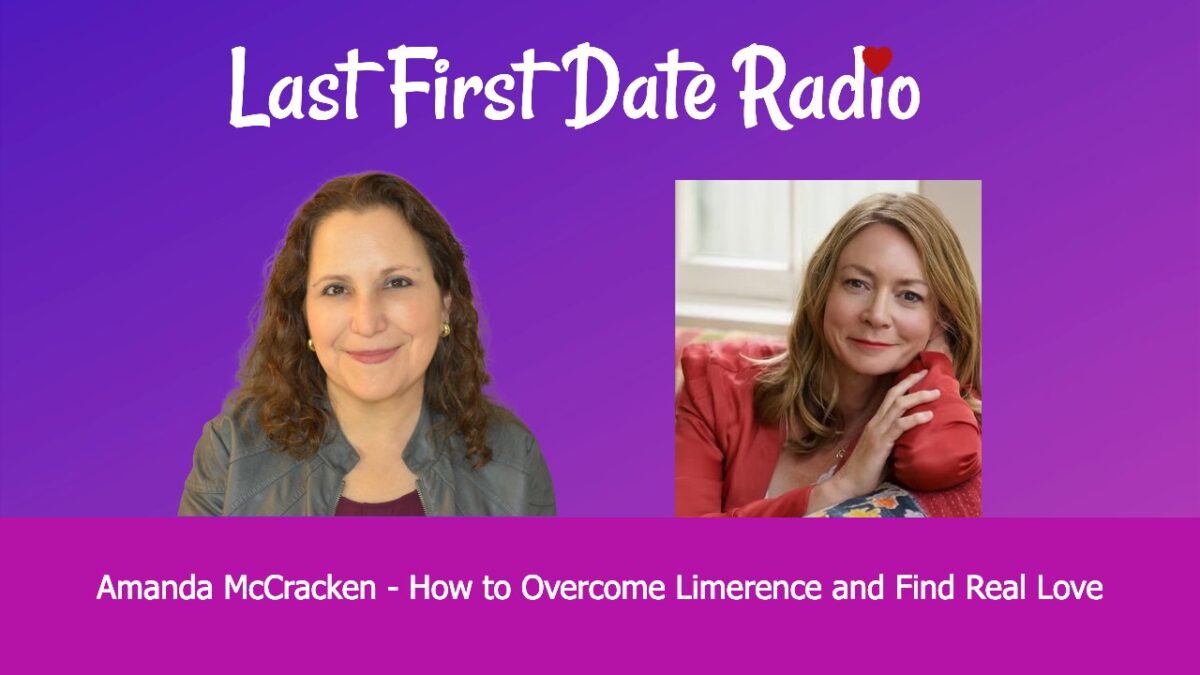
Amanda McCracken, author and relationship expert, has spoken extensively about limerence in her book and TED Talk, “How Longing Keeps Us From Healthy Relationships.” Her insights reveal how limerence often stems from deeper issues like attachment disruptions or subtle childhood traumas.
What Causes Limerence?
Understanding the roots of limerence is crucial for overcoming it. Many individuals who experience limerence have underlying attachment issues or subtle traumas from childhood. These can include emotional neglect, inconsistent parenting, or even birth separations. Limerence can also be linked to perfectionist tendencies, particularly in eldest children who feel the need to excel in relationships.
Neurobiological factors also play a role. ADHD, for example, predisposes individuals to hyperfixation and dopamine-driven reward cycles, making them more susceptible to limerence. The modern dating landscape, filled with social media, dating apps, and hookup culture, amplifies uncertainty and intermittent reinforcement, which can fuel the cycle of obsessive longing.
How to Break Free From Limerence
Step 1: Interrupt Rumination
One of the hallmarks of limerence is obsessive thinking. To break free, you need to interrupt these rumination cycles. Techniques like mindfulness and cognitive behavioral therapy (CBT) can help redirect your thoughts. Neuroscience-backed approaches such as focusing on the present moment or engaging in physical activity can also be effective.
Step 2: Build Self-Worth
Many people stuck in limerence struggle with feelings of inadequacy or unworthiness. Building self-worth involves challenging negative beliefs about yourself and practicing affirmations like, “I am ready for and worthy of a deeply intimate and loving relationship.” Therapy, journaling, and self-compassion exercises can also help you develop a stronger sense of self.
Step 3: Focus on Emotional Awareness
Somatic therapy, which emphasizes body-based emotional awareness, can help you identify and process the feelings that drive limerence. Learning to regulate your emotions and manage triggers will enable you to respond to situations more calmly and effectively.
Step 4: Prioritize Healthy Relationship Traits
Instead of chasing chemistry and intense attraction, focus on traits that indicate a healthy partner. These include trust, consistent actions, emotional regulation, curiosity, patience, and care. Reliable behavior and emotional maturity should take precedence over fleeting infatuation.
Dating Strategies to Prevent Limerence
The modern dating scene can exacerbate limerence, with its focus on instant gratification and superficial connections. Here’s how to navigate dating more mindfully:
1. Avoid Over-Reliance on Dating Apps
While dating apps can be useful, they often encourage quick judgments based on appearance rather than personality or values. Instead, consider meeting people through shared interests or community events.
2. Prioritize Communication and Compatibility
Rather than focusing on initial chemistry, ask questions about a potential partner’s values, communication style, and long-term goals. Compatibility in these areas is a stronger predictor of relationship success.
3. Work on Yourself First
Before seeking a relationship, ensure you’re emotionally ready. Doing inner work—such as therapy, self-reflection, and developing healthy habits—will better prepare you to attract and sustain a fulfilling partnership.
What This Means for You
If you’ve struggled with limerence, you’re not alone. Recognizing the patterns that contribute to obsessive longing is the first step toward healing. Focus on interrupting rumination, building self-worth, and prioritizing emotional maturity in yourself and others. Real love is not about constant butterflies or dramatic longing—it’s about trust, respect, and consistent care.
By shifting your mindset from fantasy-driven infatuation to grounded emotional awareness, you can create space for healthier and more fulfilling relationships. Whether through therapy, mindfulness practices, or intentional dating strategies, the journey to overcoming limerence is one of personal growth and empowerment.
Frequently Asked Questions
What is the difference between limerence and love?
Limerence is characterized by obsessive thoughts and idealization of a romantic interest, often driven by fantasy rather than reality. Love, on the other hand, involves mutual respect, trust, and emotional maturity.
Can limerence last forever?
While limerence can persist for years, it usually fades over time, especially with introspection, therapy, and a focus on building healthier relationship patterns.
How do I know if I’m experiencing limerence?
Signs of limerence include obsessive thoughts about a romantic interest, intense longing, and idealization, even if the relationship is unreciprocated or unhealthy.
Can therapy help with limerence?
Yes, therapy can be highly effective. Techniques like CBT, mindfulness, and somatic therapy can help interrupt rumination and build emotional awareness.
How can I prevent limerence in the future?
Focus on building self-worth, improving emotional regulation, and seeking partners who demonstrate trust, consistency, and emotional maturity.