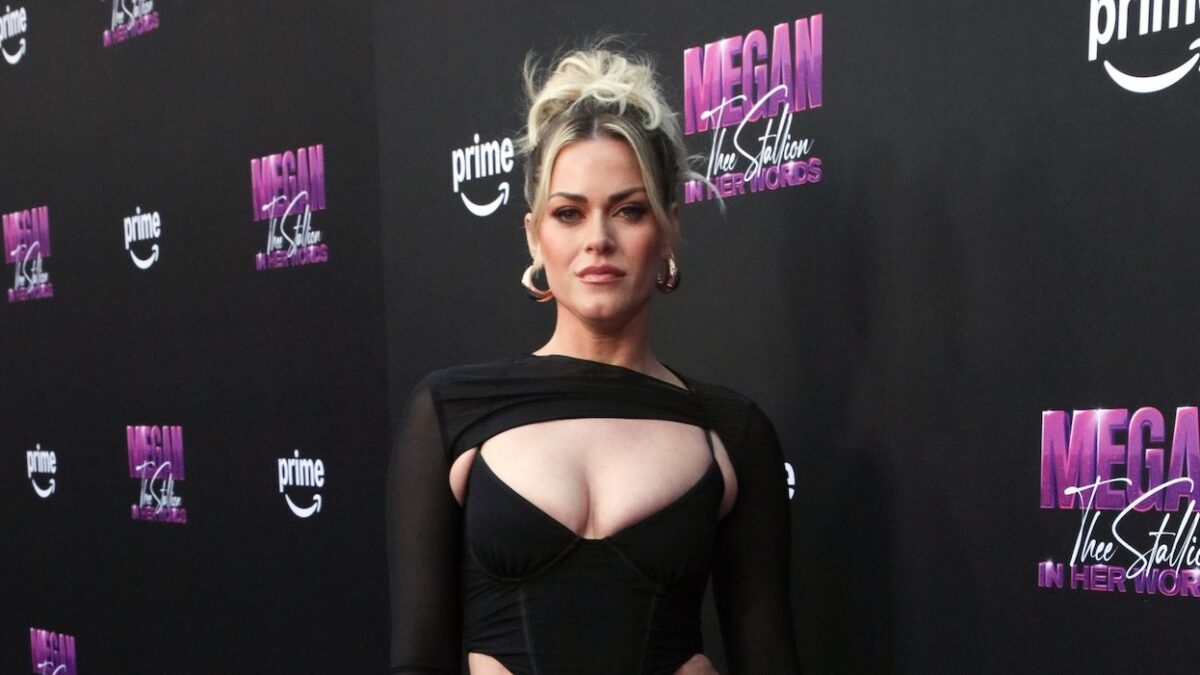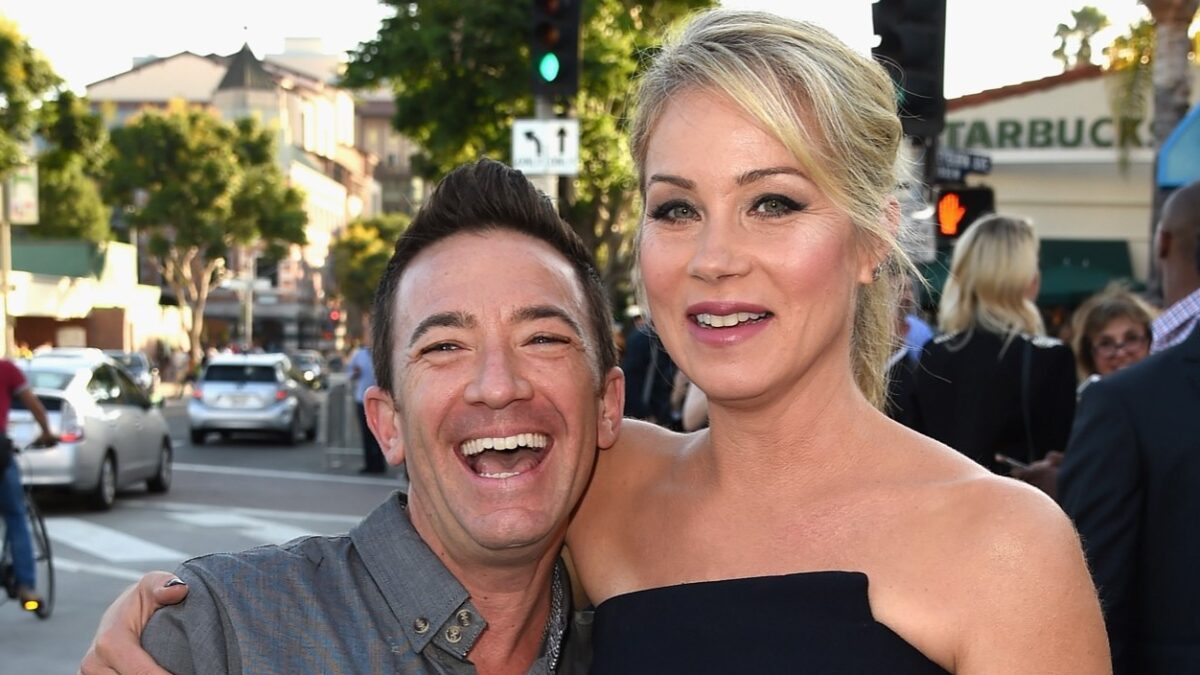
Mandy Moore has finally addressed the swirling rumors and drama sparked by Ashley Tisdale’s viral essay about leaving a so-called “toxic” mom group. The essay, published five months ago, left fans speculating that Moore was part of the group Tisdale criticized. Now, Moore is speaking out, aiming to set the record straight while shedding light on the pressures of motherhood and female friendships in the public eye.
- Mandy Moore responds to speculation about Ashley Tisdale’s “toxic” mom group essay.
- Moore emphasizes the importance of uplifting and supportive female friendships.
- Tisdale’s essay sparked debates about mom group dynamics and societal expectations on mothers.
- Both actresses highlight the challenges of navigating motherhood in the spotlight.
- The situation underscores the need for honest conversations about parenting and mental health.
Mandy Moore’s Response: Clearing the Air
In an exclusive interview, Mandy Moore clarified her stance on the controversy stirred by Ashley Tisdale’s essay. Moore stated, “Motherhood is hard enough without adding unnecessary drama or speculation about who belongs to what group. I’ve always believed in creating a nurturing space for women to support one another, especially as mothers.”
Moore’s comments reflect her frustration at being indirectly dragged into the drama. She stopped short of confirming whether she was ever part of the group Tisdale mentioned but emphasized that she is focused on cultivating kindness and positivity in her interactions.
The actress, known for her role in This Is Us, has often spoken about the challenges of parenting, particularly after welcoming her two sons, Gus and Oscar. Her remarks are a reminder of the scrutiny faced by celebrity moms, who often juggle public expectations alongside private struggles.
Ashley Tisdale’s Essay: The Viral Moment
In December, Ashley Tisdale published a candid essay describing her decision to leave a mom group that she felt was “toxic” and unsupportive. Although she did not name specific individuals, fans quickly speculated about who might have been involved, with Mandy Moore’s name surfacing frequently in online discussions.
Tisdale wrote, “I felt judged and unsupported—like I wasn’t measuring up to some invisible standard. It’s hard enough navigating motherhood without feeling like you’re failing in a social setting designed to help.” Her essay resonated deeply with mothers everywhere, sparking a widespread conversation about the dynamics within mom groups and societal pressures placed on parents.
While Tisdale has not commented further on the essay since its publication, her words fueled debates about the unrealistic expectations often placed on women, especially in hyper-competitive circles.
The Pressures of Celebrity Motherhood
Both Mandy Moore and Ashley Tisdale are familiar with the unique challenges of parenting in the public eye. For celebrity moms, every decision—from parenting styles to who they associate with—can become fodder for intense scrutiny. In Moore’s case, even her silence became a topic of discussion.
Experts in parenting psychology often point out that these pressures can lead to feelings of isolation and anxiety. Dr. Lisa Feldman, a psychologist specializing in maternal mental health, explains, “Motherhood already comes with a significant mental load. Add fame to the equation, and the stakes are even higher. Supportive communities are critical, but when those communities turn toxic, they can be incredibly damaging.”
Moore’s response to the situation is a testament to her focus on prioritizing her family and mental well-being, refusing to let external drama derail her parenting journey.
What This Means for You
For everyday moms, the debate sparked by Tisdale’s essay and Moore’s response serves as a reminder of the importance of fostering supportive friendships. Whether you’re part of a mom group or simply navigating parenthood solo, it’s essential to surround yourself with people who uplift you rather than diminish your confidence.
This also highlights the broader conversation about mental health and societal expectations on mothers. The “supermom” trope often leads women to feel pressured to excel in every aspect, from parenting to social interactions. Taking a cue from Moore and Tisdale, it’s okay to step away from toxic environments and prioritize your own well-being.
If you’ve ever felt judged or unsupported in a parenting space, remember that no group is worth compromising your mental health. Seek out communities, whether online or in person, that focus on empathy, understanding, and shared experiences.
- What did Ashley Tisdale say in her essay? Ashley Tisdale described leaving a mom group she felt was toxic and unsupportive, sparking conversations about societal pressures on mothers.
- Did Mandy Moore confirm being part of the group? Mandy Moore did not confirm or deny being part of the group but emphasized the importance of supportive female friendships.
- Why are celebrity moms scrutinized more? Celebrity moms face heightened scrutiny due to their public visibility, with every decision often analyzed and judged by fans and media.
- How can moms avoid toxic group dynamics? Moms can avoid toxic dynamics by recognizing red flags like judgment and competition, and instead seeking out communities that foster empathy and support.
- What can we learn from this situation? This situation underscores the importance of prioritizing mental health and stepping away from environments that don’t align with your values.