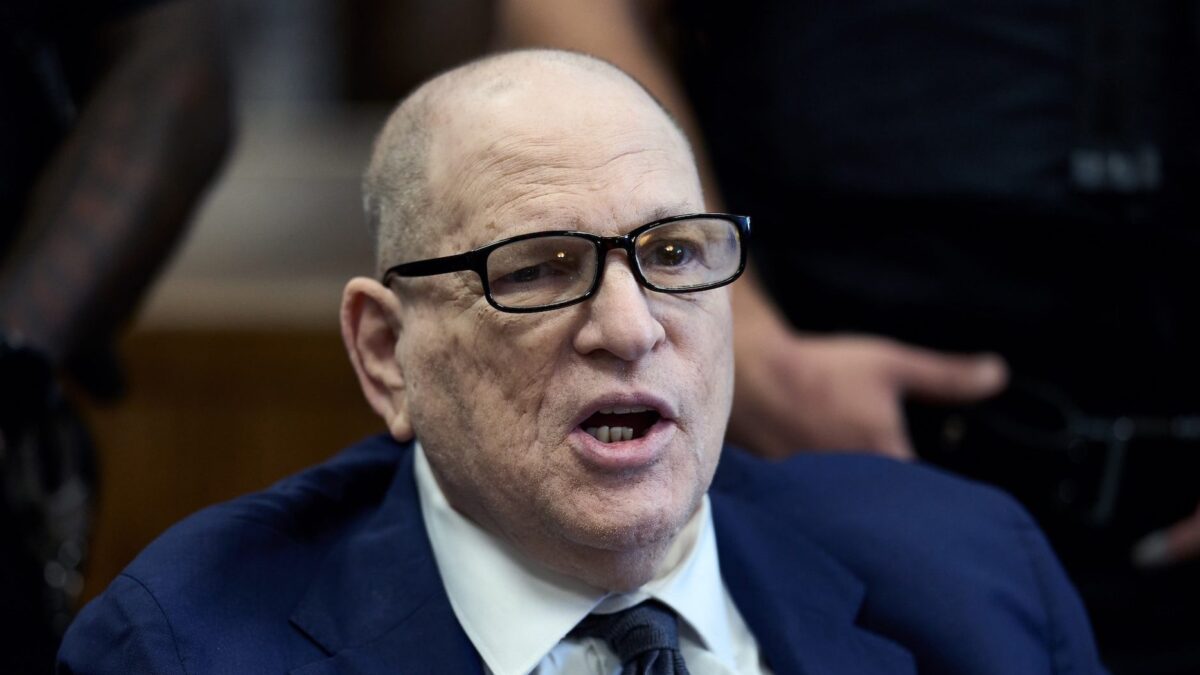
The legal saga surrounding disgraced Hollywood producer Harvey Weinstein reached another turning point in May 2026, when a mistrial was declared during his retrial for the alleged third-degree rape of actress Jessica Mann. After weeks of deliberation, jurors were unable to reach a unanimous verdict, leaving Weinstein still facing unresolved accusations of sexual misconduct—a haunting reminder of how far-reaching the scandal has been since it first erupted in 2017.
- Harvey Weinstein’s retrial for third-degree rape ended in a mistrial due to a deadlocked jury.
- Weinstein’s downfall began in 2017, sparking the #MeToo movement and seismic changes in Hollywood.
- Despite multiple convictions, Weinstein maintains his innocence regarding nonconsensual sex accusations.
- The mistrial underscores the challenges in achieving justice in high-profile sexual assault cases.
The Legal Battle: A Timeline of Turmoil
Weinstein’s fall from grace began in October 2017, when The New York Times published a scathing exposé detailing decades of alleged sexual misconduct by the producer. Soon after, The New Yorker released its own investigation, featuring accounts from actresses such as Rosanna Arquette, Mira Sorvino, and Asia Argento. Their stories painted a chilling picture of Weinstein as a man who wielded his influence to silence victims and destroy careers.
These revelations propelled the #MeToo movement into mainstream consciousness, encouraging thousands of individuals worldwide to share their experiences of sexual harassment and assault. Weinstein’s downfall also prompted changes in industry practices, including stricter policies on workplace harassment and the introduction of intimacy coordinators on set.
Convictions, Appeals, and a Continuing Legal Nightmare
Weinstein’s first criminal conviction came in 2020, when he was found guilty of sexually assaulting Miriam Haley and raping Jessica Mann in New York. He was sentenced to 23 years in prison. In 2022, a Los Angeles jury convicted him of additional sexual assault charges, further cementing his status as a pariah.
However, the story didn’t end there. Weinstein’s 2020 New York conviction was overturned on appeal in 2024, citing procedural errors. A retrial was held the following year, and Weinstein was again convicted of sexually assaulting Haley. Yet, the jury deadlocked on the alleged rape of Mann, leading to the current retrial and, now, the mistrial declaration.
Mistrial in Manhattan: What Happened?
The Manhattan District Attorney’s Office had hoped to finally resolve Mann’s accusations in the 2026 retrial. However, after weeks of testimony and deliberation, jurors found themselves unable to reach a unanimous decision. The judge declared a mistrial, leaving Mann and other accusers without closure.
Legal experts suggest that the mistrial reflects broader challenges in high-profile sexual assault cases. The difficulty of proving guilt beyond a reasonable doubt, paired with the influence of celebrity and power dynamics, often complicates such trials. Weinstein, who has consistently denied all allegations of nonconsensual sex, remains imprisoned but faces ongoing legal uncertainty.
Impact on Hollywood and Society
The Weinstein scandal irrevocably changed Hollywood and sparked wider cultural shifts. The #MeToo movement empowered survivors to speak out, leading to the downfall of other powerful figures accused of misconduct, such as Kevin Spacey and Matt Lauer. The industry has since implemented measures to protect workers, but experts warn that systemic issues persist.
For survivors like Mann, the mistrial represents a frustrating setback. Yet, it also highlights the importance of continued advocacy for survivors’ rights. Organizations such as Time’s Up have worked tirelessly to provide resources and support, ensuring that voices like Mann’s are not silenced.
What This Means For You
The mistrial in Weinstein’s case is a stark reminder of how difficult it can be to achieve justice in cases of sexual assault, particularly when the accused holds significant power and influence. For readers, it’s an opportunity to reflect on the progress made since the #MeToo movement began—and the work that remains to create safer, more equitable environments.
If you or someone you know has experienced sexual harassment or assault, resources such as RAINN (Rape, Abuse, and Incest National Network) are available to provide support. Advocacy and awareness continue to be critical in ensuring that survivors are heard and supported.
Frequently Asked Questions
What led to the mistrial in Harvey Weinstein’s retrial?
The jury was unable to reach a unanimous decision on the third-degree rape charge involving Jessica Mann, prompting the judge to declare a mistrial.
How has the Weinstein scandal impacted Hollywood?
Weinstein’s downfall accelerated the #MeToo movement, leading to greater awareness of sexual misconduct in the industry and changes such as the introduction of intimacy coordinators on set.
What happens next in Weinstein’s legal battles?
It remains unclear whether the Manhattan District Attorney’s Office will seek another retrial for Mann’s accusations. Weinstein continues to serve his prison sentences for earlier convictions.
How can survivors of sexual assault find support?
Organizations like RAINN and Time’s Up offer resources, counseling, and advocacy to survivors of sexual harassment and assault.
What does this case reveal about power and justice?
Weinstein’s trials highlight the challenges of prosecuting powerful individuals, but they also underscore the importance of systemic reform to ensure justice for survivors.