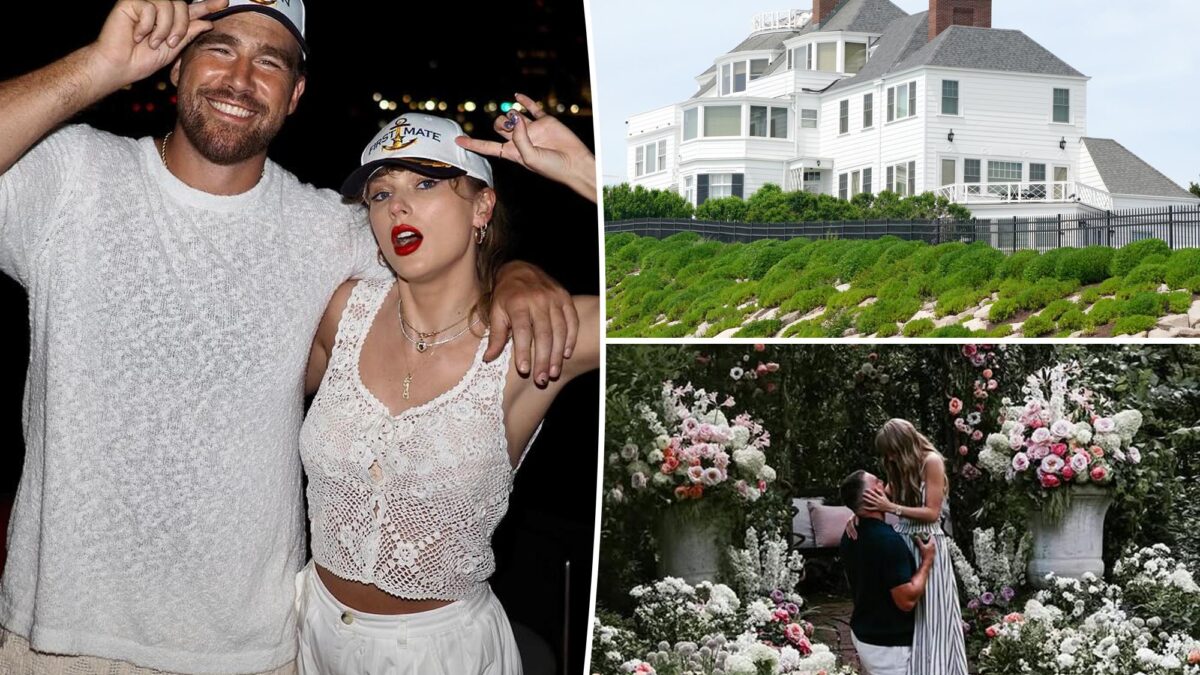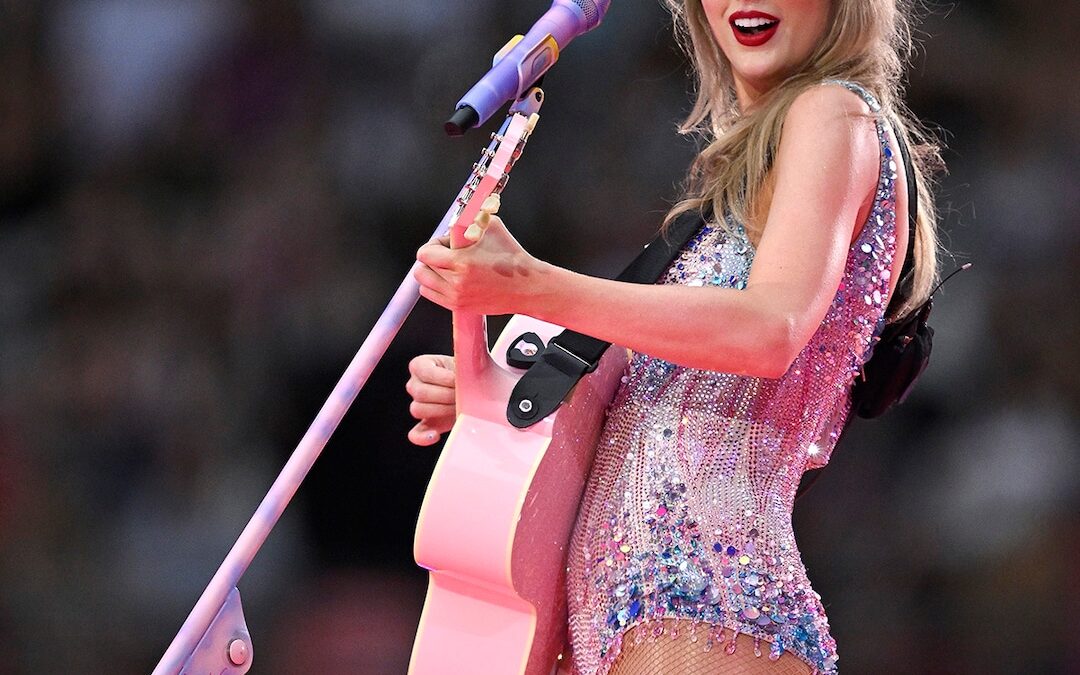
Taylor Swift has once again demonstrated her savvy approach to protecting her brand and identity. On April 24, the pop icon filed three trademark applications with the U.S. Patent & Trademark Office, aiming to safeguard her voice, likeness, and name. This move comes amidst growing concerns over artificial intelligence (AI) and its ability to replicate celebrity identities without consent.
- Taylor Swift has filed three trademark applications to protect her voice, likeness, and name.
- The move highlights increasing celebrity concerns over AI misuse and digital manipulation.
- This is part of a broader trend of celebrities taking proactive steps to secure their identities.
- Trademark protection could limit unauthorized replication of Swift’s image and voice.
- Fans and creators may face new legal boundaries when interacting with AI-generated content involving Swift.
Why Taylor Swift’s Trademark Filing Matters
In recent years, the rise of generative AI tools has sparked debates about ethical boundaries and copyright infringement. From deepfake videos to AI-generated songs mimicking famous artists, this technology poses a unique threat to celebrity identities. For stars like Taylor Swift, whose career is built on personal authenticity and connection with fans, unauthorized AI replicas can dilute their public image and even harm their reputation.
Swift’s decision to file trademarks is a strategic response to these challenges. By legally securing her voice and likeness, she gains the power to enforce boundaries against misuse. This isn’t merely about preventing harm; it’s about maintaining control over her artistic legacy and how her identity is used commercially.
The Growing Trend of Celebrities Combatting AI Misuse
Swift’s move isn’t an isolated case—it’s part of a broader movement. Other high-profile names, including Tom Cruise and Scarlett Johansson, have also taken legal steps to shield their likenesses from AI exploitation. In March, the Screen Actors Guild (SAG) called for stricter regulations on AI usage in entertainment, warning that unchecked innovation could lead to industry-wide consequences.
For celebrities, trademarks offer more than protection; they provide an avenue to monetize their likenesses in controlled, intentional ways. Swift’s trademarks could pave the way for collaborations with AI platforms on ethical terms, allowing her to harness the technology without losing control over her identity.
What Taylor’s Fans Should Know
Fans of Taylor Swift know her for her meticulous attention to detail, whether it’s in her lyrics or her branding decisions. This trademark filing is no different. For creators and influencers who rely on Swift-inspired content, this move could introduce new legal boundaries. AI-generated art, songs, or videos imitating Swift might now be scrutinized under trademark law.
At the same time, this does not spell the end of Swift-inspired fan creations. Her legal team is likely targeting large-scale, commercial AI replicas rather than personal fan tributes. However, it’s clear that ethical and legal standards around using celebrity identities are tightening.
What This Means for You
If you’re an artist, creator, or fan engaging with AI tools, Taylor Swift’s trademark filing serves as a wake-up call. As more celebrities secure legal protections for their identities, you’ll need to tread carefully when incorporating famous figures into your work. While fan art and tributes remain a cherished part of celebrity culture, commercial use or AI replication could now come with serious consequences.
For tech enthusiasts, this moment highlights the need for ethical AI development. Celebrities setting boundaries with trademarks signal a larger conversation about consent and fairness in digital spaces. It’s not just about protecting the rich and famous—it’s about ensuring that technology respects human identity and creativity.
Frequently Asked Questions
Why did Taylor Swift file these trademarks?
Swift filed trademarks to protect her voice, likeness, and name from unauthorized use, particularly in response to AI technologies that can replicate identities without consent.
Will this affect fan-created content?
Likely not for personal, non-commercial fan creations. Trademark enforcement typically targets large-scale misuse or commercial exploitation rather than tributes from fans.
How does this impact AI-generated content?
Creators using AI to replicate Swift’s voice or likeness could now face legal challenges if their projects violate trademark protections.
Are other celebrities doing the same?
Yes, many celebrities, including Tom Cruise and Scarlett Johansson, are taking legal steps to protect their identities from AI misuse.
What can AI developers do to avoid legal issues?
AI developers should prioritize ethical guidelines, obtain consent for likeness replication, and avoid unauthorized commercial use of celebrity identities.