This article contains affiliate links. When you purchase through these links, we may earn a commission — at no extra cost to you.
Summer is here, and the oppressive heat can make even the most comfortable of homes feel unbearable. But if you’ve cranked your air conditioner to the lowest setting and still find yourself drenched in sweat, you might be missing a crucial piece of the puzzle: a dehumidifier. While many people associate this appliance strictly with drying out damp basements, its potential to turn your living space into a cool oasis often goes overlooked.
- Dehumidifiers reduce moisture levels, making your AC more effective at cooling.
- They help eliminate the clammy feeling often associated with high humidity.
- Using a dehumidifier can reduce energy consumption and lower utility bills.
- Modern dehumidifiers share similar technology with air conditioners.
- Positioning and maintenance are crucial for optimal performance.
Understanding the Problem
Humidity, not just heat, is often the culprit behind discomfort during summer. When the air is saturated with moisture, sweat can’t evaporate efficiently, leaving your skin sticky and your home feeling damp. Air conditioners are designed to cool the air, but they often struggle when tasked with removing excess moisture. This is where dehumidifiers come into play.
Ross Bonner, co-founder and chief technology officer of Transaera, explains, “Most residential dehumidifiers today still have the same parts under the hood that a window AC does. At their core, they both work the same way — they draw the moisture out by cooling the air, then push out the heat.”
How Dehumidifiers Work
Dehumidifiers operate on the principle of “latent cooling,” which is the process of removing moisture from the air by turning water vapor into liquid. By reaching the dew point — the temperature at which moisture condenses — dehumidifiers effectively pull water from the air, reducing humidity levels and making the environment feel cooler.
This complements your air conditioner’s “sensible cooling” ability to lower air temperature. When both devices work together, they can tackle heavy moisture loads and prevent your living space from feeling clammy and uncomfortable.
Benefits of Using a Dehumidifier
A dehumidifier can significantly improve your quality of life during summer. Here’s how:
- Enhanced Cooling: It lightens the load on your AC by handling moisture removal, allowing the air conditioner to focus purely on cooling.
- Energy Efficiency: By improving your AC’s efficiency, you can save on electricity bills.
- Mold Prevention: Lowering humidity reduces the risk of mold and mildew growth, protecting your home and health.
- Comfort: Eliminates the sticky, clammy feeling associated with high humidity.
Choosing the Right Dehumidifier
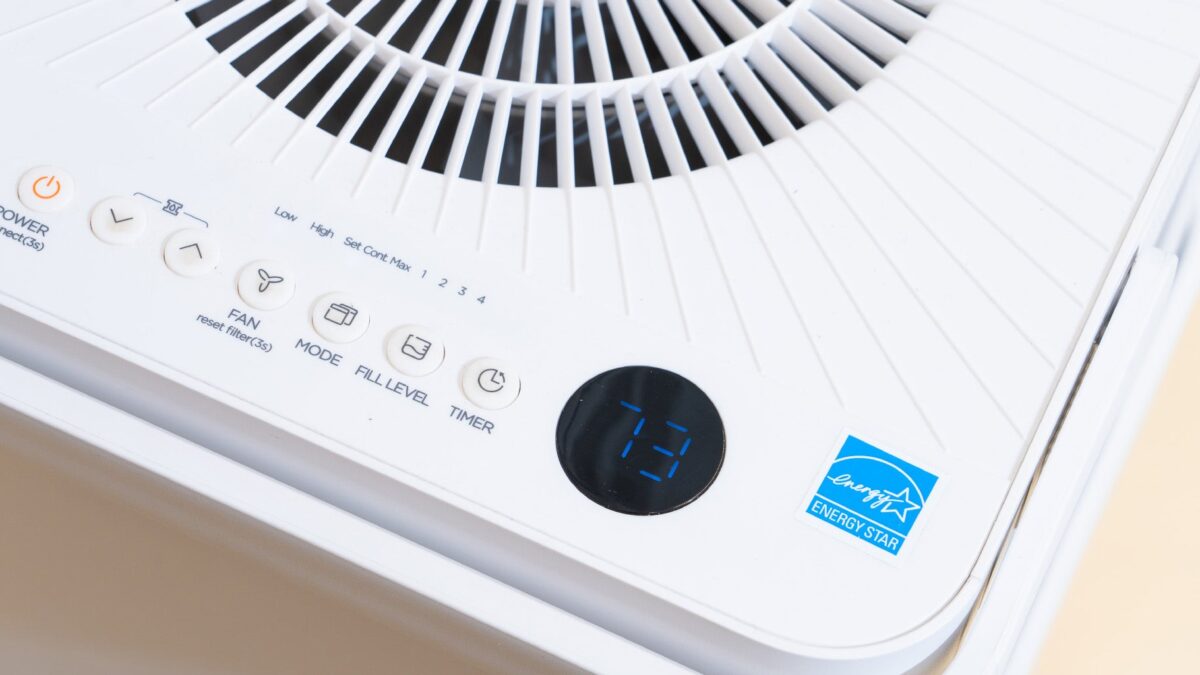
When selecting a dehumidifier, consider the size of the space you want to dehumidify. Models vary in capacity, typically measured in pints of water removed per day. Larger spaces require higher-capacity units. Additionally, look for features like automatic shutoff, continuous drainage options, and energy efficiency ratings.
If you’re unsure, start with models like Honeywell Dehumidifier or Frigidaire Dehumidifier, which are highly rated for performance and reliability.
Placement and Maintenance
Position your dehumidifier in areas with the highest humidity, such as basements or bathrooms. Ensure it’s placed on a flat surface with unobstructed airflow. Regular maintenance, such as cleaning the filter and emptying the water reservoir, is crucial for optimal performance.
For continuous drainage, connect a hose to the unit and direct it to a nearby floor drain. This saves you from having to manually empty the tank, especially during peak summer months.
What This Means for You
If you’ve been relying solely on your air conditioner to combat summer heat, adding a dehumidifier to your home can be a game-changer. Not only will it enhance your cooling system’s efficiency, but it can also improve your overall comfort and help lower your energy bills.
Investing in a good dehumidifier is especially beneficial if you live in areas with high humidity or experience frequent summer heatwaves. By understanding how these devices work and how to maintain them, you can enjoy a drier, cooler, and more comfortable living space.
FAQs
- Do dehumidifiers cool the air?
A dehumidifier doesn’t directly lower air temperature but removes moisture, making the environment feel cooler. - Can I use a dehumidifier and AC together?
Yes, using both together improves cooling efficiency and reduces energy consumption. - How often should I clean my dehumidifier?
Clean the filter and empty the reservoir at least once a week during heavy use. - Are dehumidifiers expensive to run?
Modern dehumidifiers are energy-efficient, and their ability to reduce your AC’s workload can lower overall costs. - What size dehumidifier do I need?
Choose a model based on the size of the room and the level of humidity. Larger rooms require higher capacity units.