This article contains affiliate links. When you purchase through these links, we may earn a commission — at no extra cost to you.
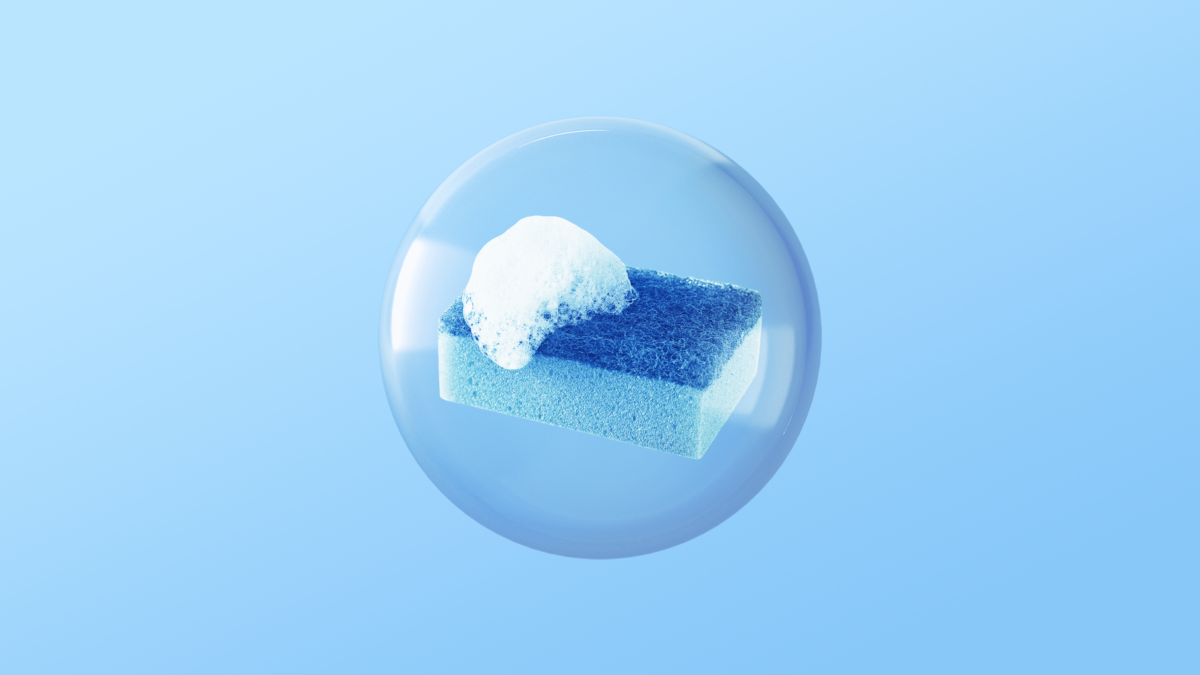
Dish soap might just be the most versatile cleaning agent you’ve been overlooking in your home. Andrea Barnes, senior staff writer at Wirecutter, recently shared insights on why this humble household item deserves a spot on your cleaning shelf — and perhaps even more attention than those eco-marketed “green” cleaners that promise sustainability but often fall short on performance. From wood floors to laundry stains, dish soap proves time and again that it’s a powerful multitasker.
- Dish soap is a cost-effective and versatile cleaning solution for various surfaces.
- Eco-marketed cleaners often underperform due to limitations in cleaning dynamics.
- Simple DIY recipes with dish soap can replace expensive cleaning products.
- Dish soap is not suitable for pets’ fur, human skin, or dishwashers due to its high foaming properties.
- Biodegradable detergent pods are a better option for eco-conscious dishwashing.
Why Dish Soap is a Cleaning Powerhouse
Unlike many “green” cleaners that often require additional products to tackle tougher spots, dish soap’s unique chemical composition makes it an effective multitasker. Barnes points to the concept of the “Sinner’s Circle” — cleaning requires a balance of time, heat, chemicals, and friction. When one factor is reduced, it often requires compensating with another. Dish soap strikes a perfect balance and can tackle grease, grime, and dirt efficiently without the need for additional cleaning agents.
For instance, just a few drops of dish soap in a large spray bottle filled with water can transform into an all-purpose cleaner for surfaces such as kitchen counters, yoga mats, and stainless steel appliances. Costing less than 25 cents per bottle, it’s an economical and effective solution for everyday cleaning tasks.
Surprising Uses for Dish Soap
While dish soap is traditionally marketed for cleaning dishes, Barnes highlights its versatility in tackling unexpected tasks. Here are some unconventional uses you might not have considered:
- Makeup stains: A small dab of dish soap can work wonders on stubborn makeup marks on clothing.
- Jewelry and accessories: Restore shine to your jewelry by soaking them in a dish soap solution.
- Outdoor cleaning: Dish soap can clean outdoor security cameras and garden tools effectively.
- Skin irritants: Exposed to poison ivy? Washing the affected area with dish soap within 20 minutes may help neutralize the irritating oils.
Next time you’re faced with one of these challenges, reach for your trusty bottle of dish soap before investing in specialized products.
What to Avoid Cleaning with Dish Soap
Despite its versatility, dish soap isn’t a one-size-fits-all solution. Barnes cautions against using it for certain tasks, as its high foaming properties can lead to unintended consequences:
- Do not use dish soap in your dishwasher — it will cause a sudsy overflow.
- Avoid using it on pets’ fur or your own face, as it isn’t designed for skin care and can cause irritation.
Understanding these limitations ensures you use dish soap effectively and safely.
Recommended Products
Wirecutter’s team has tested various dish soaps and associated products to help you make informed decisions. Here are their top picks:
- Palmolive Ultra Pure + Clear Dish Liquid: A fragrance- and dye-free option that’s also hypoallergenic, perfect for sensitive users.
- Dawn Platinum Dishwashing Liquid: Ideal for household cleaning projects, though its strong scent and synthetic dyes may not appeal to everyone.
- Cleancult Dish Soap Lemon Verbena: A plant-based soap with plastic-free packaging and a pleasant scent.
- Dropps UltraWash Plus: Biobased dishwasher detergent pods in plastic-free packaging, great for eco-conscious cleaning.
What This Means for You
Dish soap is more than just a kitchen essential — it’s a multipurpose cleaning powerhouse that can simplify your cleaning routine while saving money. By opting for DIY solutions with dish soap and understanding its limitations, you can reduce reliance on expensive specialized cleaners. Additionally, choosing fragrance- and dye-free options or plastic-free packaging can align your cleaning habits with eco-conscious values.
Whether you’re dealing with everyday messes or tackling unusual cleaning challenges, dish soap proves to be an effective, affordable, and versatile solution.
FAQ
- Can dish soap be used to clean electronics?
- Yes, dish soap can clean outdoor security cameras and similar electronics, but ensure you dilute it properly and avoid letting water seep into sensitive components.
- Is dish soap safe for skin?
- No, dish soap is not formulated for skin care and can cause irritation when used on pets or humans.
- Does dish soap damage stainless steel?
- No, when diluted properly, dish soap is safe for cleaning stainless steel surfaces and appliances.
- What’s the best dish soap for eco-conscious consumers?
- Cleancult Dish Soap Lemon Verbena is recommended for its plant-based formula and recyclable packaging.
- Can dish soap be used to clean laundry stains?
- Yes, dish soap is effective at removing oil stains and other marks from fabrics when applied directly to the stain before washing.