This article contains affiliate links. When you purchase through these links, we may earn a commission — at no extra cost to you.
After nearly 34 years of heartbreak and unanswered questions, the infamous Yogurt Shop Murders case in Austin, Texas, has finally seen a breakthrough. On September 26, 2025, the Austin Police Department announced that DNA testing had identified Robert Eugene Brashers as the man responsible for the brutal killings of four teenage girls in December 1991. Though Brashers died by suicide in 1999, his connection to this cold case—and others—has sparked new investigations and renewed hope for justice.
Key Takeaways
- DNA evidence identified Robert Eugene Brashers as the suspect in the 1991 Yogurt Shop Murders.
- The murders involved four teenage girls killed in Austin, Texas, during a robbery turned fatal.
- Brashers, who committed suicide in 1999, was linked through genetic genealogy technology.
- Investigators found connections between Brashers and other unsolved crimes across multiple states.
- This case highlights advancements in forensic DNA testing and genetic genealogy.
The Yogurt Shop Murders: A Crime That Shook Austin
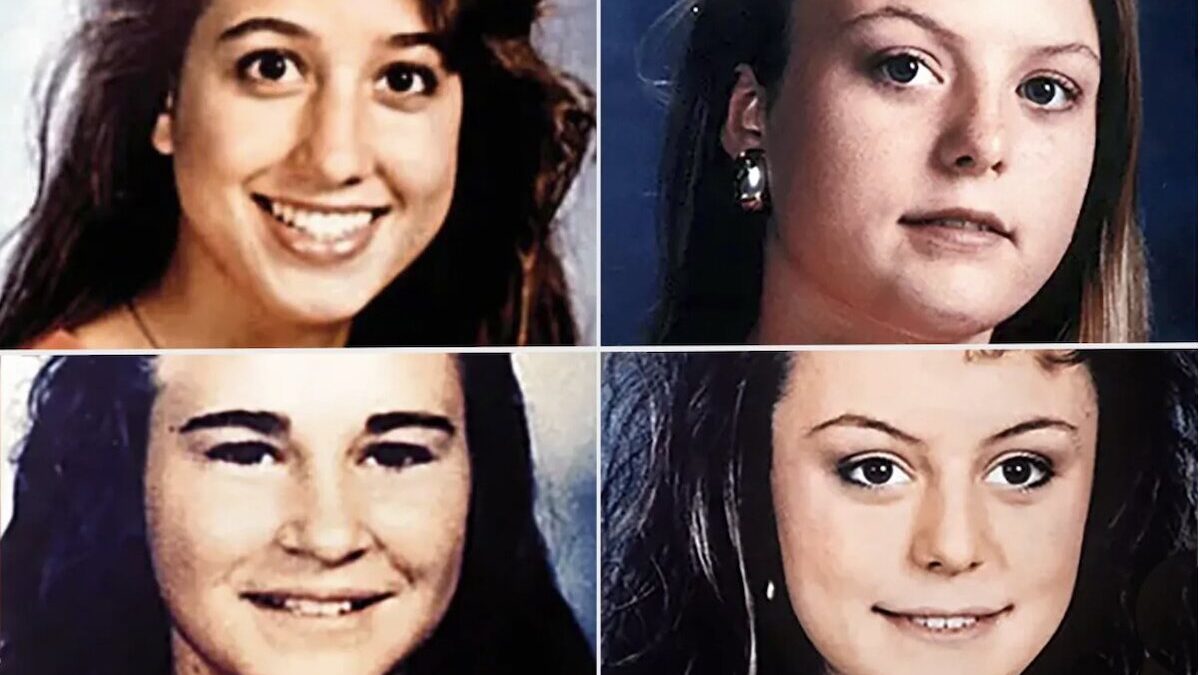
The tragedy unfolded on the night of December 6, 1991, when sisters Jennifer and Sarah Harbison, along with their friends Eliza Thomas and Amy Ayers, were found murdered inside an ‘I Can’t Believe It’s Yogurt!’ store. The victims were gagged, tied, shot in the head, and the shop was set on fire in an attempt to destroy evidence. Jennifer and Eliza worked at the shop, while Sarah and Amy had stopped by to meet them before closing.
The brutality of the crime, paired with the ages of the victims—ranging from 13 to 17—shocked the Austin community and drew national attention. Despite extensive investigations, the case hit repeated dead ends, leaving families and the public desperate for answers.
Wrongful Arrests and Investigative Struggles
For years, investigators pursued leads that ultimately crumbled under scrutiny. In 1999, four young men—Robert Springsteen, Michael Scott, Maurice Pierce, and Forrest Welborn—were arrested and charged with the murders. While Springsteen and Scott confessed, they later recanted, alleging coercion during interrogations. Their convictions were overturned in the early 2000s due to insufficient evidence and questionable legal practices, leaving the case unresolved.
These missteps highlighted the challenges of relying on traditional evidence and interrogation methods, particularly in high-profile cases. It wasn’t until the advent of advanced DNA technology that investigators found their breakthrough.
DNA Breakthrough: Robert Eugene Brashers
In September 2025, Austin Police announced that DNA testing had identified Brashers as the perpetrator of the Yogurt Shop Murders. Brashers, a suspected serial killer, had been linked to other crimes across Missouri, South Carolina, and Kentucky. Genetic genealogy technology—which uses public DNA databases to trace familial connections—played a pivotal role in solving the case.
Investigators noted parallels between the Yogurt Shop Murders and other crimes committed by Brashers, including the 1998 killing of Linda Rutledge in Kentucky. Both cases involved fatal shootings and attempts to destroy evidence through arson. Shell casings from the two crime scenes matched, further solidifying Brashers’ involvement.
A Serial Killer’s Profile
Robert Eugene Brashers, who died during a police standoff in 1999, was linked to at least eight victims across multiple states. Authorities described him as a calculated predator who targeted women and young girls. His ability to evade capture for years underscores the limitations of pre-21st-century forensic techniques.
Brashers’ identification not only brought closure to the families of the Yogurt Shop victims but also reignited investigations into other unsolved crimes. Law enforcement agencies, including the FBI, continue to explore connections between Brashers and cold cases nationwide.
What This Means for You
For readers following true crime stories, this case represents a turning point in forensic investigations. The use of genetic genealogy has revolutionized how cold cases are approached, offering hope to families who have waited decades for answers. It also underscores the importance of preserving evidence—even for cases that seem unsolvable.
If you’re interested in supporting justice efforts, consider exploring how advancements in forensic science are funded and applied. Public DNA databases, for example, are often central to breakthroughs like this one. However, ethical concerns surrounding privacy and consent remain active debates within the field.
Lastly, this case serves as a reminder of the resilience of investigators and families who refuse to give up, even in the face of repeated setbacks.
Frequently Asked Questions
How was Robert Eugene Brashers identified?
Brashers was identified using genetic genealogy technology, which matched DNA from the crime scene to his profile through familial connections.
Why did it take so long to solve the Yogurt Shop Murders?
Earlier investigations relied on traditional evidence and interrogation techniques, which led to wrongful arrests and dead ends. Advances in DNA testing were required to make a breakthrough.
What other crimes has Brashers been linked to?
Brashers has been connected to multiple murders across South Carolina, Missouri, and Kentucky, including the 1998 killing of Linda Rutledge.
What is genetic genealogy technology?
Genetic genealogy uses public DNA databases to trace familial relationships, helping investigators identify suspects by matching unknown DNA to relatives.
Are there ethical concerns with using public DNA databases?
Yes, privacy and consent issues are ongoing debates, as some fear misuse of personal data in criminal investigations.