Music biopics have long been a staple of Hollywood, offering audiences a glimpse into the lives of iconic performers who shaped the world of entertainment. Yet, not every attempt to immortalize a musician on the big screen hits the right note. While films like Selena and Elvis have been widely celebrated, others have fallen spectacularly short — leaving fans and critics alike wondering what went wrong. From sensationalized storytelling to glaring inaccuracies, the worst music biopics often do a disservice to the legends they aim to celebrate.
- Music biopics are often riddled with historical inaccuracies and shallow storytelling.
- Nina (2016) tops the list of the worst biopics with a controversial casting choice and a lackluster narrative.
- Stardust (2020) failed due to the absence of David Bowie’s iconic music, undermining its subject.
- Back to Black (2024) struggled to capture Amy Winehouse’s complexity and relied heavily on clichés.
- Bohemian Rhapsody (2018), despite its awards, oversimplified Freddie Mercury’s story and ignored critical aspects of his life.
The Four Worst Music Biopics Ever Made
4. Bohemian Rhapsody (2018)
Despite winning Rami Malek an Oscar for Best Actor and earning a Best Picture nomination, Bohemian Rhapsody remains a polarizing film. The movie charts the rise of Queen and its lead singer, Freddie Mercury, culminating in their iconic Live Aid performance. However, critics have argued that the film offers a sanitized, formulaic depiction of Mercury’s life, downplaying his sexuality and reducing his struggles to shallow narrative beats. Its inaccuracies — including timeline distortions — and reliance on a “greatest hits” structure ultimately undermine the complexity of Mercury’s legacy.
3. Back to Black (2024)
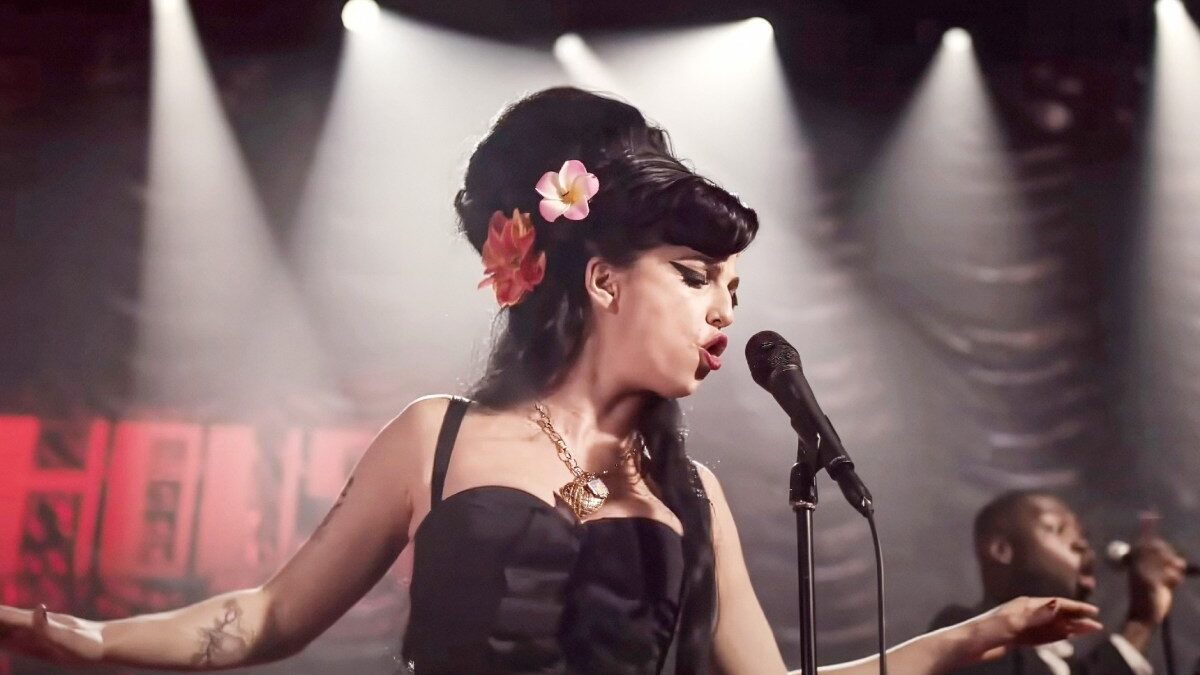
Directed by Sam Taylor-Johnson, Back to Black aimed to capture the tragic life of Amy Winehouse but fell victim to the pitfalls of music biopic clichés. Marisa Abela’s portrayal of Winehouse was met with skepticism even before the film’s release, as the use of prosthetics to resemble the singer sparked controversy. The movie failed to delve into the exploitation and personal struggles that defined Winehouse’s life, instead opting for a surface-level approach. The sensationalized depiction of her final moments left viewers unsettled, making this biopic feel more exploitative than celebratory.
2. Stardust (2020)
A biopic about David Bowie without any of Bowie’s music? That’s precisely the misstep Stardust made, leaving fans scratching their heads. Unable to license Bowie’s iconic tracks, the film attempted to tell the story of his early career, but the absence of his music rendered it lifeless. Critics also slammed the movie for its bland storytelling and failure to capture the uniqueness of Bowie’s persona. For a rock star who defied conventions and redefined artistry, Stardust felt disappointingly ordinary.
1. Nina (2016)
Leading the pack of disastrous biopics is Nina, a film about legendary musician and civil rights activist Nina Simone. From its controversial casting of Zoe Saldaña — complete with prosthetics and makeup to darken her skin — to its uninspired direction, Nina faced backlash from audiences and Simone’s fans alike. Saldaña herself later expressed regret for taking the role. The film’s shallow narrative failed to capture the essence of Simone’s artistry and activism, leaving viewers with little insight into her life. At a mere 2 percent on Rotten Tomatoes, it’s safe to say Nina is better left forgotten.
Why Are Music Biopics So Hard to Get Right?
Music biopics often fall into the trap of oversimplifying their subjects or prioritizing entertainment over authenticity. The lives of musicians are rarely linear, yet many films attempt to fit their stories into a formulaic rise-and-fall framework. This approach not only diminishes the complexity of the artists but also alienates fans who crave a deeper understanding of their idols.
What This Means for You
If you’re looking for a truly compelling music biopic, steer clear of these four films. Instead, consider documentaries like Amy (2015) or Moonage Daydream (2022), which provide more nuanced portrayals of their subjects. When choosing a biopic, look for one that respects the artist’s legacy and challenges the genre’s clichés.
As viewers, we hold the power to demand better storytelling from Hollywood. By supporting films that prioritize authenticity and depth, we can encourage filmmakers to honor the complexities of the artists they portray. The next time a music biopic hits theaters, ask yourself: does this film truly capture the essence of its subject, or is it just another “greatest hits” compilation?
Frequently Asked Questions
Why is Nina considered so controversial?
The casting of Zoe Saldaña sparked backlash due to the use of prosthetics and makeup to darken her skin, which many viewed as disrespectful to Nina Simone’s legacy.
What makes a good music biopic?
A strong music biopic respects the complexity of its subject, avoids clichés, and delivers an authentic portrayal of the artist’s life and work.
Are there any documentaries that do justice to musicians?
Yes, documentaries like Amy (2015) and Moonage Daydream (2022) provide in-depth and respectful portrayals of Amy Winehouse and David Bowie, respectively.
Why didn’t Stardust feature David Bowie’s music?
The filmmakers were unable to secure the licenses needed to use Bowie’s songs, which significantly undermined the film’s ability to capture his essence.
What should viewers do if they’re disappointed by a biopic?
Consider exploring documentaries or biographies about the artist, which often offer more accurate and comprehensive insights into their life and career.