Lena Dunham’s debut film, Creative Nonfiction, has resurfaced in celebration of her 40th birthday, inviting audiences to revisit the raw beginnings of one of Hollywood’s most divisive and intriguing voices. Originally released in 2009, this micro-budget indie project encapsulates the signature blend of humor, angst, and unfiltered emotion that would later define Dunham’s career. For those curious about where her journey began, this film is a perfect time capsule of the creative chaos that has both enamored and alienated audiences since.
- Lena Dunham’s debut film, Creative Nonfiction, is being revisited in honor of her 40th birthday.
- The movie exemplifies the raw, personal storytelling Dunham is known for.
- It offers insight into the early creative struggles and themes that shaped her later works.
- This film isn’t for everyone—expect unpolished edges and deeply personal narratives.
- Watching Creative Nonfiction can provide a deeper appreciation for Dunham’s evolution as an artist.
What Is Creative Nonfiction?
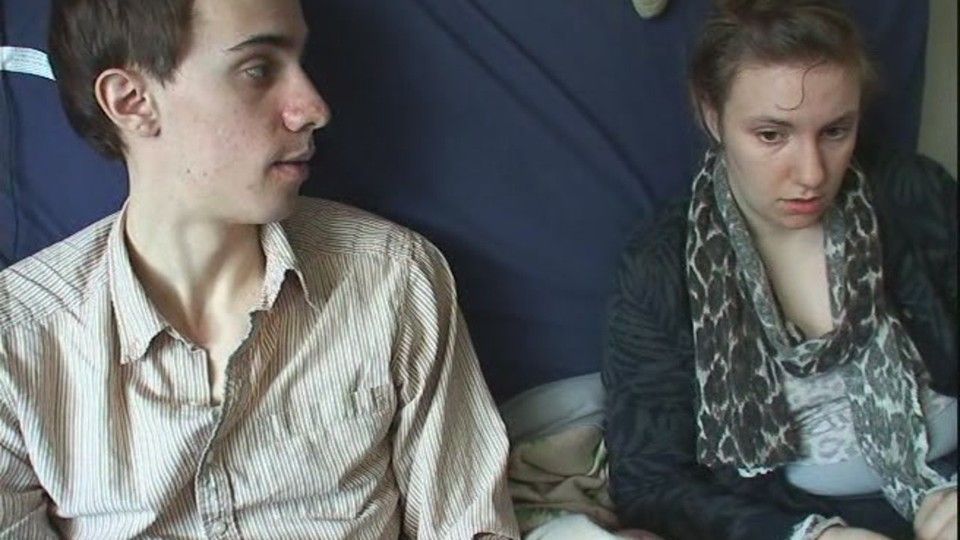
Released while Lena Dunham was still a college student, Creative Nonfiction is a semi-autobiographical exploration of ambition, insecurity, and relationships. Shot on a shoestring budget with a cast of friends and classmates, the film follows a young woman grappling with writer’s block while trying to complete a screenplay. The meta-narrative mirrors Dunham’s own creative struggles and hints at the themes she would later explore in her HBO series, Girls.
The film is unapologetically raw. It lacks the polish you’d expect from a professional production, but therein lies its charm. It’s a glimpse into the unfiltered mind of a young artist, laying bare the growing pains of storytelling. For fans of Dunham’s later works, watching Creative Nonfiction feels like discovering an early sketch by a now-renowned painter—it’s imperfect, but undeniably authentic.
Why Revisit This Film Now?
Turning 40 is a milestone for anyone, but for Lena Dunham, it marks a moment to reflect on a career built on vulnerability and boldness. From Girls to her essays, Dunham has consistently put herself on the line, exploring themes like body image, sexuality, and the messy realities of female friendships. Revisiting Creative Nonfiction in this context feels like peeking into her diary from a decade earlier—a diary that foreshadowed her trajectory as an artist.
In a cultural landscape that increasingly values polished, curated content, Dunham’s debut film stands out as a reminder that authenticity often starts messy. It’s a celebration of the courage to create, even when the results aren’t perfect. And it’s a testament to how far she’s come—not just in technical skill but in her ability to navigate fame, criticism, and personal growth.
57 Thoughts While Watching Creative Nonfiction
While the original Vogue article lists 57 specific reactions to the film, what truly resonates is the emotional journey of watching it unfold. From the awkward dialogue to the moments of unexpected poignancy, Creative Nonfiction is a rollercoaster of relatability and secondhand embarrassment. Here are some highlights:
- “Did she just say that out loud?!” Dunham’s penchant for cringe-inducing honesty starts early.
- “This feels like my college dorm room.” The film’s setting is as unglamorous as its characters.
- “Why am I rooting for her despite myself?” Dunham’s ability to make flawed characters compelling is already evident.
For viewers accustomed to her later, more polished works, these moments might feel jarring. But they’re also what makes the film so fascinating—it’s unfiltered Lena, a young artist still finding her voice.
What This Means for You
Watching Creative Nonfiction is a reminder that every creative journey starts somewhere. If you’re an aspiring artist, writer, or filmmaker, Dunham’s early work shows that imperfection is part of the process. It’s okay to release something raw, unfinished, and deeply personal—it’s often those projects that resonate most.
For fans of Dunham’s later works, the film provides a unique opportunity to see the seeds of her storytelling style. You’ll recognize the awkward humor, the self-reflection, and the fearless exploration of taboo subjects. And for critics, it’s a chance to understand her more deeply—even if you don’t agree with her approach, you can appreciate the bravery it takes to share so much of herself.
If nothing else, Creative Nonfiction is a testament to the power of persistence. Dunham’s career didn’t start with a bang—it started with a small, imperfect film. And sometimes, that’s all you need to take the first step.
Frequently Asked Questions
What is Creative Nonfiction about?
The film follows a college student struggling to write a screenplay while navigating personal relationships and self-doubt. It’s a semi-autobiographical look at Lena Dunham’s early creative struggles.
Where can I watch Creative Nonfiction?
The film is available on niche streaming platforms and possibly for purchase online. Check indie film distributors for availability.
Why is Lena Dunham controversial?
Dunham has been a polarizing figure due to her unapologetically personal storytelling and willingness to tackle taboo subjects. While some celebrate her vulnerability, others criticize her approach as narcissistic or tone-deaf.
Is this film similar to Girls?
Yes, Creative Nonfiction shares thematic similarities with Girls, including awkward humor, flawed characters, and explorations of relationships. However, it’s far less polished.
Should I watch this film if I’m not a fan of Lena Dunham?
If you’re curious about her artistic evolution, it’s worth watching. But if you’re firmly against her style, this film probably won’t change your mind.