This article contains affiliate links. When you purchase through these links, we may earn a commission — at no extra cost to you.
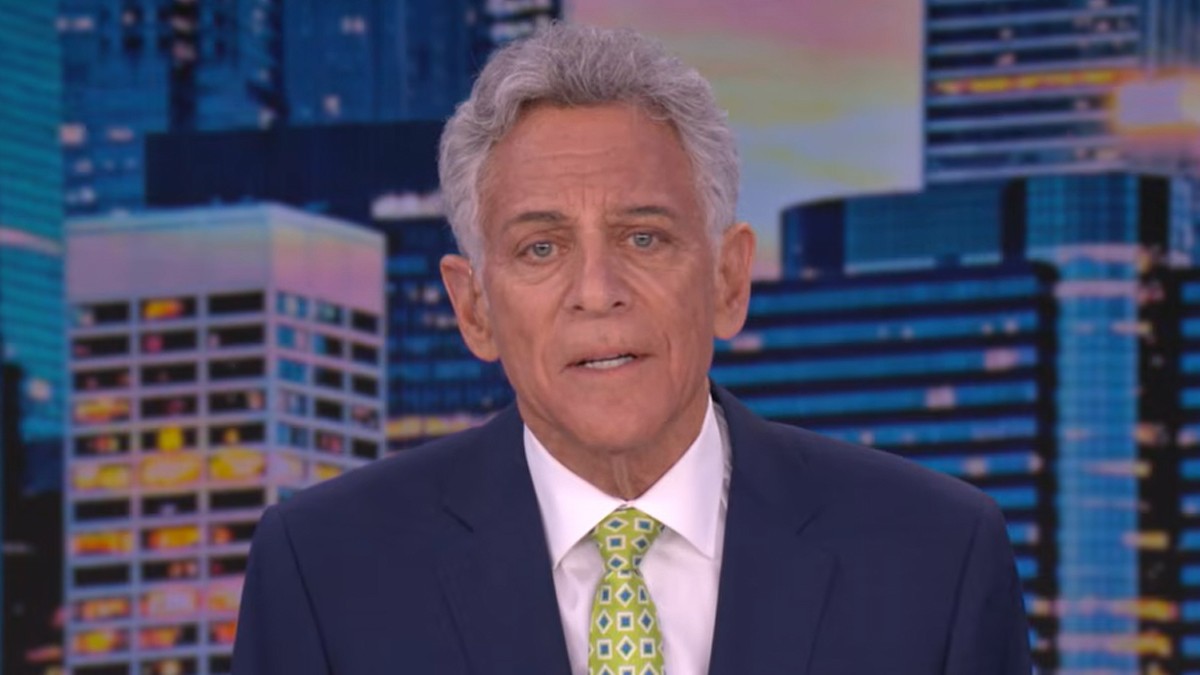
In a heartfelt announcement during the 6 PM ET Eyewitness News broadcast on Friday, June 12, ABC New York anchor Bill Ritter shared that he is retiring due to his recent Alzheimer’s diagnosis. The 76-year-old journalist, a familiar face to millions, revealed he has been diagnosed with early-stage Alzheimer’s following a series of medical tests. This announcement marks the end of a remarkable career spanning decades in television journalism.
- Bill Ritter, a beloved ABC New York anchor, retires after an Alzheimer’s diagnosis.
- He plans to spend more time with his family, including his new and upcoming grandchildren.
- Ritter will remain active in Alzheimer’s advocacy and work with younger journalists at ABC.
- His personal connection to Alzheimer’s stems from his father’s battle with the disease.
- Ritter’s career at ABC began in 1998, leaving behind a legacy of truth-based journalism.
Bill Ritter’s Retirement Announcement
Bill Ritter’s announcement was both emotional and reflective, highlighting his commitment to family and his ongoing battle with Alzheimer’s. “My goal was to spend more time with my family,” Ritter shared, explaining his decision to gradually reduce his workload over the past year—first stepping down from his role as the 11 PM newscaster, followed by his 5 PM position. Recently becoming a grandfather, Ritter expressed his desire to cherish these precious moments with his growing family.
However, Ritter’s decision to retire was also driven by his health. “Spending more time with my family has now become even more important, because my life has taken a turn,” he admitted. The early-stage Alzheimer’s diagnosis means he can still function independently, but memory lapses and difficulty recalling familiar words or objects are increasingly challenging. Ritter acknowledged the uncertainty of his prognosis: “There is no cure yet for Alzheimer’s, and unless someone finds an amazing cure, tonight will be the last newscast I anchor.”
Early-Stage Alzheimer’s: What It Means
According to the Alzheimer’s Association, early-stage Alzheimer’s allows individuals to function relatively independently, but symptoms such as memory lapses are noticeable. These can include forgetting familiar words or misplacing everyday items. Treatments for Alzheimer’s can help manage symptoms temporarily, but as Ritter poignantly shared, “There is no guarantee here, because there’s no cure yet for Alzheimer’s.”
Ritter’s diagnosis highlights the importance of early detection and the need for continued research in Alzheimer’s treatment. His public battle with the disease serves as a reminder that Alzheimer’s is a condition that affects not just individuals but entire families, requiring strength and support from loved ones.
Ritter’s Legacy and Continued Impact
Though retiring as an anchor, Ritter plans to remain an active journalist at ABC 7 NY, mentoring younger reporters and contributing to coverage on Alzheimer’s and similar diseases. “I’m not a stranger to this disease,” Ritter noted, referencing his father’s passing from Alzheimer’s in June 1998 and his prior efforts in Alzheimer’s advocacy alongside colleague Mike Marza.
Ritter’s advocacy work includes hosting awareness events aimed at educating the public and raising funds to combat Alzheimer’s. His commitment to truthful journalism and his efforts to address societal challenges have earned him widespread respect. “It has been my honor to report the news with truth and facts, no matter where they fall,” Ritter said in his farewell address.
What This Means for You
Bill Ritter’s retirement reminds us of the importance of prioritizing health and family, particularly in the face of life-altering diagnoses. His decision to step back while continuing to advocate for Alzheimer’s awareness demonstrates courage and resilience. For viewers, Ritter’s legacy highlights the role of journalism in addressing critical issues like Alzheimer’s. His advocacy work serves as inspiration for individuals and families coping with similar challenges.
As research into Alzheimer’s continues, it’s essential to support efforts aimed at finding a cure and improving resources for those affected. Bill Ritter’s transparency about his journey sheds light on the human side of this disease, encouraging open conversations and community support.
Frequently Asked Questions
- What is early-stage Alzheimer’s?
- Early-stage Alzheimer’s is the initial phase of the disease, where individuals can still function independently but experience noticeable memory lapses and cognitive challenges.
- How can I support Alzheimer’s research?
- You can support Alzheimer’s research by donating to organizations like the Alzheimer’s Association, participating in awareness events, or advocating for increased funding.
- Will Bill Ritter continue appearing on television?
- Though retiring as an anchor, Ritter plans to remain active at ABC 7 NY, contributing to Alzheimer’s coverage and mentoring younger journalists.
- What are common symptoms of Alzheimer’s?
- Symptoms include memory loss, difficulty completing familiar tasks, confusion with time or place, and changes in mood or behavior.
- What is the significance of Ritter’s retirement?
- Ritter’s retirement underscores the importance of prioritizing family and health while continuing to advocate for awareness and solutions to societal challenges.