This article contains affiliate links. When you purchase through these links, we may earn a commission — at no extra cost to you.
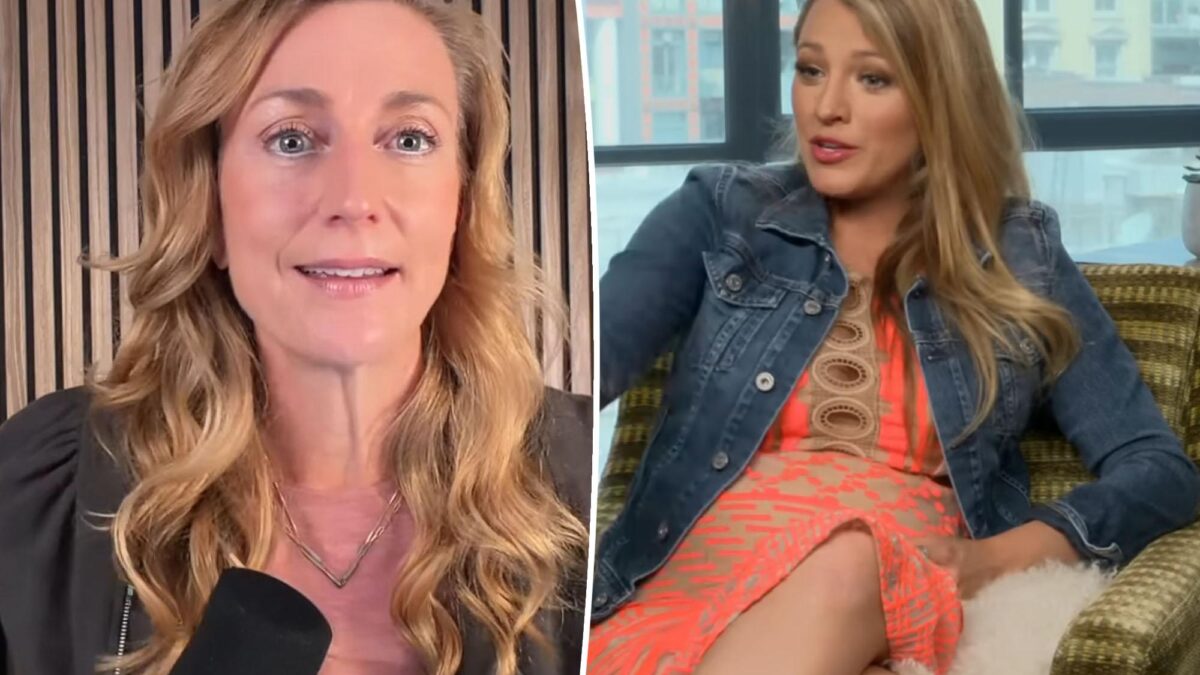
Blake Lively, known for her elegance and disarming charm, recently made headlines for an incident that painted her in a more contentious light. A journalist revealed feeling “traumatized” after an “uncomfortable” interview with the Hollywood star. Speaking candidly in a media forum, the entertainment reporter recounted the experience, noting they were left “in shock” by the interaction.
- Blake Lively was accused of creating a tense atmosphere during an interview, leaving the reporter “traumatized.”
- The reporter cited Lively’s unexpected remarks and defensive demeanor as the cause of discomfort.
- Such incidents raise questions about celebrity interactions with the media and the pressures both parties face.
- Understanding the dynamics of high-stakes interviews can provide insights into public relations strategies.
- This serves as a reminder of the complexities of maintaining composure during challenging conversations.
What Happened During the Interview?
The reporter, who chose not to disclose the specific details of the conversation, hinted that Lively’s responses were defensive and, at times, sharp. “As a journalist, you always have to take the high road, you know?” the reporter explained. “So when I was sitting there, I couldn’t react. I was just in shock.”
While it remains unclear what triggered the tension, some speculate it could have been a question Lively deemed invasive or inappropriate. Celebrities often face deeply personal or speculative questions during interviews, which can sometimes lead to strained interactions. However, when tensions escalate, they can leave a lasting impact on both the interviewer and the interviewee.
Why Celebrity Interviews Can Turn Tense
Celebrity interviews operate in a unique and high-pressure space. Stars like Blake Lively are often tasked with promoting films, products, or philanthropic causes, but they’re also expected to maintain their composure in the face of probing, sometimes uncomfortable questions. For journalists, the aim is to balance getting a compelling story while respecting boundaries.
In practice, these interviews can become emotionally charged due to misaligned expectations. For instance, a celebrity might anticipate a lighthearted chat, while the journalist might aim for hard-hitting questions. Without a shared understanding, misunderstandings—or even confrontations—can arise.
Lessons From the Incident
While the incident involving Blake Lively is unfortunate, it also highlights a broader lesson about communication under pressure. Both celebrities and reporters can benefit from clear boundaries and pre-interview preparation. For reporters, understanding a celebrity’s comfort zones can help avoid missteps. For celebrities, learning to navigate challenging questions with grace can prevent negative publicity.
Many public relations experts suggest implementing media training for celebrities, which focuses on deflecting uncomfortable questions without appearing dismissive. Similarly, journalists are encouraged to balance professional curiosity with empathy, ensuring their questions don’t cross personal boundaries.
What This Means For You
Whether you’re navigating high-pressure situations in your career or tackling sensitive conversations in personal relationships, the lessons from this incident apply universally. Preparation, empathy, and clear boundaries are key to managing any challenging interaction. If you’re unsure how to approach a difficult topic, take a moment to assess your tone and intent. For instance, asking open-ended questions that allow for thoughtful responses can prevent defensiveness.
Additionally, if you find yourself on the receiving end of an uncomfortable question, it’s okay to pause, breathe, and redirect the conversation. A simple response like, “I’d prefer not to go into detail about that,” can maintain your boundaries without escalating tension.
Frequently Asked Questions
Why do celebrity interviews sometimes go wrong?
Celebrity interviews can go wrong due to miscommunication, misaligned expectations, or questions that the celebrity might find invasive or inappropriate.
How can journalists avoid making celebrities uncomfortable?
Journalists should research their subjects thoroughly and ensure their questions are respectful and relevant. Balancing curiosity with empathy often results in more productive interviews.
What can celebrities do to prepare for challenging interviews?
Media training can help celebrities navigate tough questions. Learning techniques to politely deflect or reframe questions can prevent misunderstandings or conflicts.
How do these incidents affect a celebrity’s public image?
Such incidents can lead to temporary negative publicity but are often forgotten if the celebrity handles the aftermath with grace and professionalism.
What’s the takeaway for everyday communication?
Effective communication in high-pressure situations requires preparation, empathy, and setting clear boundaries to maintain mutual respect.