This article contains affiliate links. When you purchase through these links, we may earn a commission — at no extra cost to you.
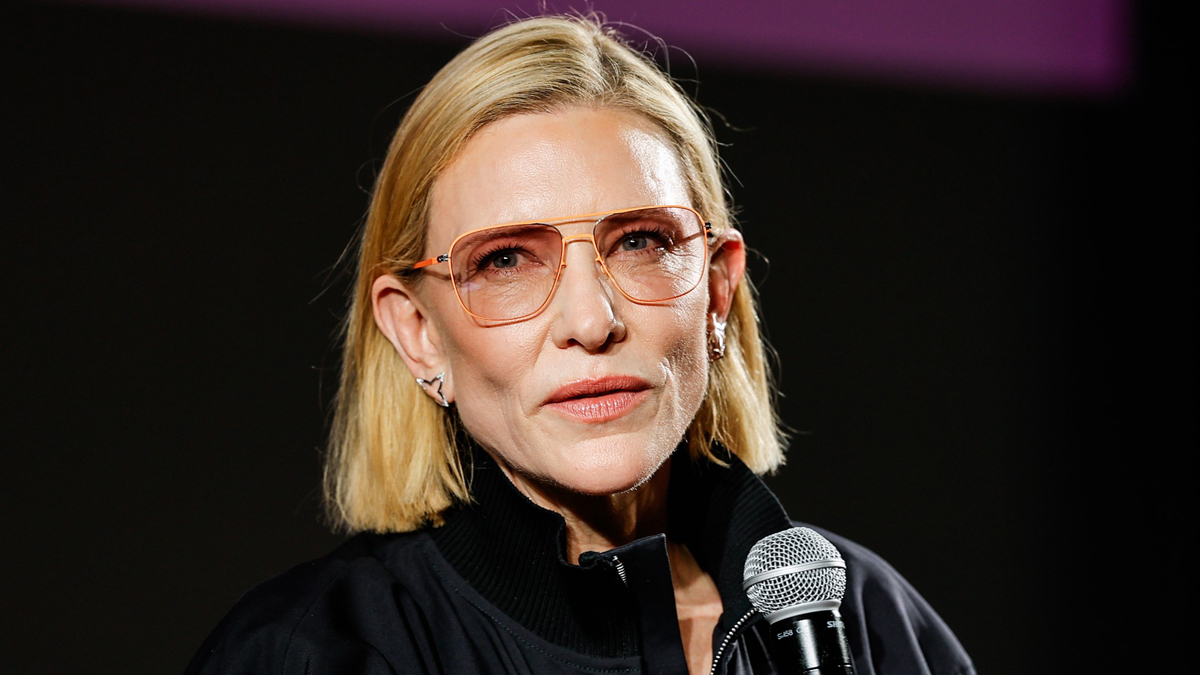
Cate Blanchett, the award-winning actress and activist, recently spoke candidly about the #MeToo movement during the 2026 Cannes Film Festival. Blanchett, known for her roles in films like Tár and Blue Jasmine, expressed her concerns about the movement’s waning momentum and its implications for women across industries.
- Cate Blanchett voiced her concerns about the decline of the #MeToo movement at the 2026 Cannes Film Festival.
- She highlighted systemic issues of workplace inequality and the need for broader change across industries.
- Blanchett emphasized the importance of amplifying marginalized voices, including those of women, trans, and non-binary creators.
- The actress continues to lead initiatives supporting underrepresented artists and filmmakers.
- Her remarks underscore the need for sustained activism beyond initial movements.
Cate Blanchett on the #MeToo Movement
During the Cannes “Rendez-vous with…” series, Blanchett reflected on the initial impact of #MeToo, acknowledging the powerful wave of stories shared by women across the globe. However, she lamented how quickly the movement lost traction, stating, “There are a lot of people with platforms who are able to speak up with relative safety and say this has happened to me, but the so-called average woman on the street is saying #MeToo. Why does that get shut down?”
Blanchett pointed to systemic layers of abuse that persist not only in Hollywood but across all industries. She stressed that identifying these problems is the first step to solving them. Her observations reveal the ongoing challenges faced by women in workplaces dominated by men, where cultural homogeneity often stifles creativity and progress.
Gender Imbalance in the Film Industry
The actress detailed her experience on film sets, where a stark gender imbalance remains evident. “I’m still on film sets and I do the headcount every day, and it is still, you know… there’s 10 women and there’s 75 men every morning,” Blanchett shared. She noted the repetitive nature of workplace dynamics in such environments, which she believes negatively affects the quality of work.
Blanchett’s remarks are not new; she has long been an advocate for gender equality in the entertainment industry. Her leadership roles at major film festivals, including serving as the Jury President at Cannes in 2019, highlight her commitment to amplifying women’s voices in filmmaking.
Cate Blanchett’s Activism Beyond Hollywood
Beyond her acting career, Blanchett has spearheaded initiatives aimed at fostering diversity and inclusion. She co-leads Dirty Films, a production company dedicated to promoting stories from underrepresented voices. Additionally, her Proof of Concept program supports women, trans, and non-binary creators, while the Displacement Film Fund focuses on refugee filmmakers and narratives of displacement.
Her efforts extend to symbolic acts of protest. In 2018, Blanchett joined 82 women in a silent demonstration at Cannes to highlight gender disparities in film direction. The number of participants mirrored the negligible representation of female directors competing at the festival compared to their male counterparts.
What This Means for You
Blanchett’s insights serve as a reminder that movements like #MeToo require ongoing commitment from every level of society. As individuals, we can contribute by supporting platforms that amplify marginalized voices, advocating for workplace diversity, and holding institutions accountable for systemic inequalities.
For those in leadership positions, her call to action is clear: foster inclusive environments where all employees feel safe, valued, and respected. Her work shows that impactful change is possible when efforts are sustained and intentional.
FAQs
- What did Cate Blanchett say about the #MeToo movement?
She expressed concern over its decline and emphasized the need to address systemic abuse across industries. - What initiatives does Blanchett support?
She co-leads Dirty Films, oversees the Proof of Concept program, and funds projects through the Displacement Film Fund. - How has Blanchett advocated for gender equality?
She has participated in protests, served as Jury President at Cannes, and highlighted workplace disparities in the film industry. - Why is workplace diversity important?
Diversity fosters creativity, innovation, and a more inclusive environment for all employees. - What can individuals do to support gender equality?
Advocate for diverse hiring practices, support platforms for marginalized voices, and educate yourself about systemic issues.