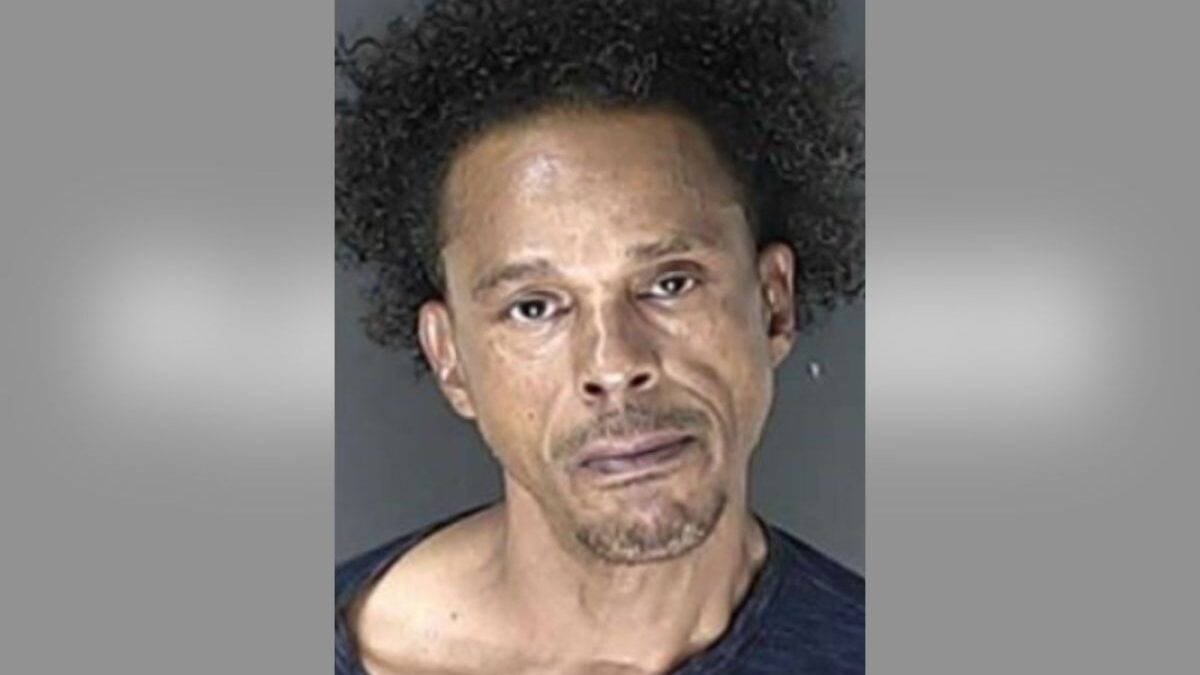
A tragic and senseless act of violence has shaken the University of Colorado at Colorado Springs community. On August 7, 2024, Haleh Abghari, a respected professor, was brutally attacked and killed in her own home by Ceasar Wilson, a 54-year-old man who had initially intended to steal from her. Wilson’s actions resulted in a devastating loss for Abghari’s family, friends, and colleagues, and his sentencing this week brings to light deeper societal issues surrounding safety and accountability.
Key Takeaways
- Haleh Abghari, a professor at the University of Colorado, was fatally stabbed five times in her home by Ceasar Wilson.
- Wilson’s sentencing on May 6, 2026, resulted in a 224-year prison term for multiple charges, including second-degree murder.
- The crime highlights vulnerabilities in home security and the unpredictable dangers of burglary.
- Wilson’s conviction relied heavily on DNA evidence and a bloody palm print found at the crime scene.
- This case serves as a stark reminder of the importance of vigilance and community safety initiatives.
The Crime That Shook a Community
Haleh Abghari’s death was not just a personal loss but a blow to an entire academic community. The professor had spent over a decade shaping minds and contributing to the University of Colorado at Colorado Springs (UCCS). On the night of August 7, 2024, Wilson entered her home through an open garage, a vulnerability that many homes share. His plan to steal quickly escalated into violence when he encountered Abghari in her bathroom. Despite her attempts to fight back, Wilson stabbed her five times, ultimately taking her life.
Following the attack, Wilson stole Abghari’s credit card and car, using them in a spree of reckless purchases. He was arrested weeks later after stealing another vehicle and injuring a person during his attempt to evade law enforcement. DNA evidence under Abghari’s fingernails and a bloody palm print on her bathroom counter linked Wilson to the crime, sealing his fate during the trial.
The Legal Outcome: Accountability at Last
Wilson’s trial and subsequent conviction brought some measure of justice to Abghari’s family and the university community. The jury found him guilty of second-degree murder, aggravated robbery, motor vehicle theft, identity theft, and crime of violence sentence enhancers. The severity of his actions led to a staggering 224-year sentence, ensuring he spends the rest of his life behind bars.
El Paso County District Attorney Michael J. Allen emphasized the gravity of the crime in his statement following the sentencing: “The violence perpetrated by the defendant against Haleh Abghari, an innocent woman alone in her own home, deserved the harsh sentence issued today in court.” Allen also highlighted the collaborative efforts of law enforcement and the university in bringing the case to closure.
What This Means for You
This heartbreaking story underscores the importance of vigilance when it comes to personal and home security. While Abghari’s death was a rare and extreme case, it serves as a reminder to take proactive measures to protect yourself and your loved ones. Simple steps such as keeping garage doors closed, installing security systems, and maintaining well-lit surroundings can deter opportunistic crimes.
Additionally, this case highlights the critical role of forensic evidence in solving violent crimes. The meticulous work of investigators in collecting DNA and fingerprint evidence ensured that justice was served. For communities, this underscores the value of supporting well-resourced law enforcement agencies and forensic teams.
Finally, Abghari’s legacy as an educator and community builder reminds us that even in the face of tragedy, we can honor those we’ve lost by continuing their work and cherishing their memory. Her contributions to UCCS will not be forgotten, and her story may inspire initiatives to improve campus and community safety.
Frequently Asked Questions
Who was Haleh Abghari?
Haleh Abghari was a professor at the University of Colorado at Colorado Springs, known for her dedication to education and the UCCS community.
What led to Ceasar Wilson’s conviction?
Wilson was convicted largely due to forensic evidence, including DNA found under Abghari’s fingernails and a bloody palm print at the crime scene.
What can individuals do to improve home security?
Steps include keeping all entry points locked, installing security cameras, using motion-activated lights, and investing in alarm systems.
How is UCCS honoring Haleh Abghari’s legacy?
The university has expressed deep sorrow over her loss and continues to recognize her contributions to the academic and local community.
What is the significance of Wilson’s 224-year sentence?
The lengthy term reflects the severity of his crimes and ensures he cannot harm others again. It also serves as a deterrent to similar acts of violence.