This article contains affiliate links. When you purchase through these links, we may earn a commission — at no extra cost to you.
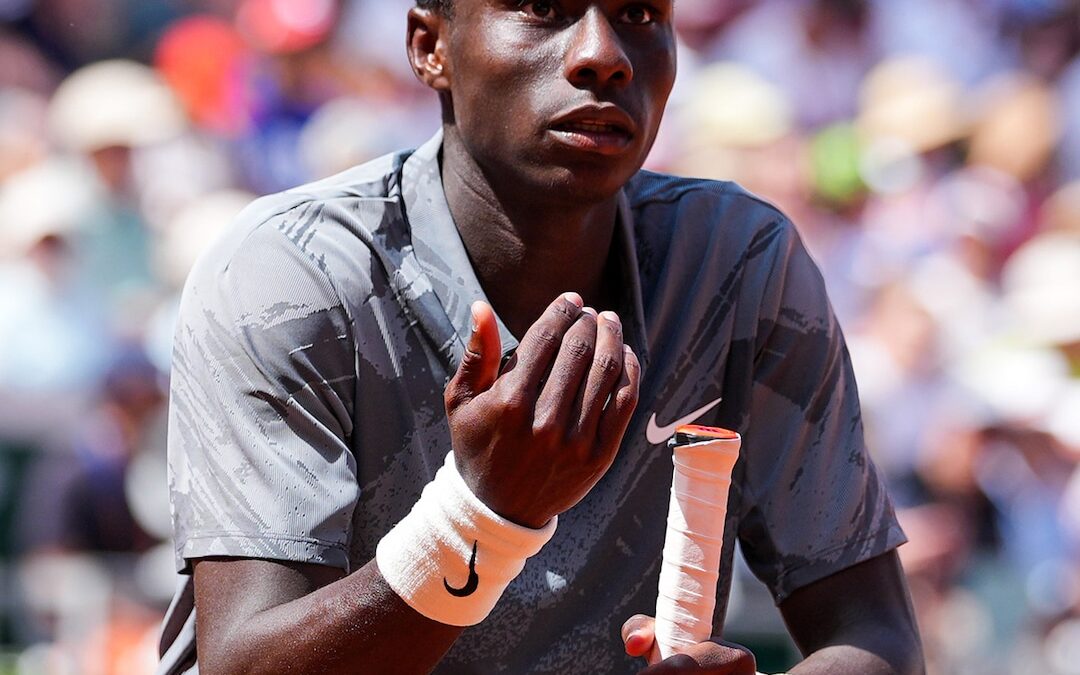
At just 17 years old, Moïse Kouamé has made waves at Roland-Garros, advancing to the third round of the men’s singles at the French Open after his May 28 match. This remarkable achievement places him among the youngest players to reach such a stage in this prestigious tournament. But what has sparked a broader conversation isn’t just his undeniable talent—it’s the prize money. If Kouamé continues to succeed, he stands to collect a $200,000 payout, but will he actually take it home under the tournament rules?
- Moïse Kouamé is one of the youngest stars at the French Open 2026, reaching the third round of the men’s singles.
- Prize money for third-round players stands at $200,000, but eligibility rules for minors could affect Kouamé’s earnings.
- Age restrictions in tennis prize distribution are designed to protect young players and their financial futures.
- Kouamé’s performance has sparked debates about youth talent and fairness in professional tennis.
Moïse Kouamé’s Meteoric Rise
Moïse Kouamé’s journey to the third round at Roland-Garros has been nothing short of inspirational. The Ivorian teen has captivated fans with his athleticism, mental toughness, and ability to hold his own against seasoned opponents. Kouamé’s May 28 victory is a testament to his dedication to the sport and signals his bright future in professional tennis.
But what makes Kouamé’s story even more compelling is the fact that he entered the tournament as an underdog. Competing against higher-seeded players, he has defied expectations, earning respect from tennis legends and fans alike. His matches have consistently drawn large crowds, demonstrating his growing popularity in the tennis world.
French Open Prize Money Rules for Minors
While Kouamé’s talent is unquestionable, his eligibility to collect the $200,000 prize money is complicated by French Open regulations regarding minors. In professional tennis, rules governing prize money distribution to players under 18 are designed to ensure financial protection and proper oversight. These rules often mean that winnings for younger players are placed in trust funds, disbursed only when they reach a specific age or meet additional criteria.
For Kouamé, this means that even if he earns the prize, he may not immediately pocket the full amount. Tournament organizers and governing bodies like the ATP or ITF often require young athletes to have financial guardians or accounts specifically set up to manage their earnings responsibly.
Why Do These Rules Exist?
These restrictions aren’t arbitrary—they exist to prevent exploitation and ensure young players don’t face undue pressure or mismanage large sums of money. Tennis history is filled with examples of prodigies who struggled with fame and fortune at a young age, leading to financial difficulties later in life. By implementing these safeguards, tennis associations aim to protect players like Kouamé and help nurture sustainable careers.
While some critics argue that these rules limit young athletes’ autonomy, advocates highlight their importance in shielding young stars from predatory influences and financial missteps.
Public Reaction and Debate
Kouamé’s situation has reignited discussions around age restrictions in professional sports and the ethics of prize money distribution. Many fans believe that Kouamé should be rewarded with immediate access to his winnings, especially given his hard work and success at such a young age. Others support the rules, emphasizing the need for safeguards to protect athletes from the pitfalls of early fame and fortune.
Social media has been buzzing with opinions, with some suggesting reforms to the current system. Should young athletes have more flexibility in managing their earnings? Or are these safeguards necessary to ensure their long-term financial stability?
What This Means for You
Moïse Kouamé’s story is not just about tennis—it’s a reminder of the complexities young athletes face. For fans, his rise is exciting, but it also highlights how professional sports must balance talent recognition with responsible management. If you’re a parent of a young athlete, his situation underscores the importance of financial planning and understanding industry rules.
For Kouamé, this moment could pave the way for broader discussions about prize money rules in sports. Whether you’re an aspiring tennis player or simply someone who admires perseverance, Kouamé’s journey is a testament to the power of hard work and the challenges that come with early success.
Frequently Asked Questions
Why can’t Moïse Kouamé access his prize money immediately?
French Open regulations for minors require prize money to be managed through trusts or guardians to ensure responsible handling and financial protection.
What are the rules for prize money distribution to minors in tennis?
Generally, minors’ winnings are placed in trust funds or special accounts managed by guardians or governing bodies, ensuring their long-term financial security.
How has Moïse Kouamé impacted the tennis world?
His success at the French Open has sparked debates about youth talent, prize money rules, and the balance between recognition and protection in professional sports.
Could these rules change in the future?
While there’s ongoing debate, any changes would likely require consensus among tennis governing bodies and careful consideration of athlete welfare.
Are similar rules applied in other sports?
Yes, many sports have safeguards for minors, including trust funds and financial oversight to prevent exploitation and mismanagement.