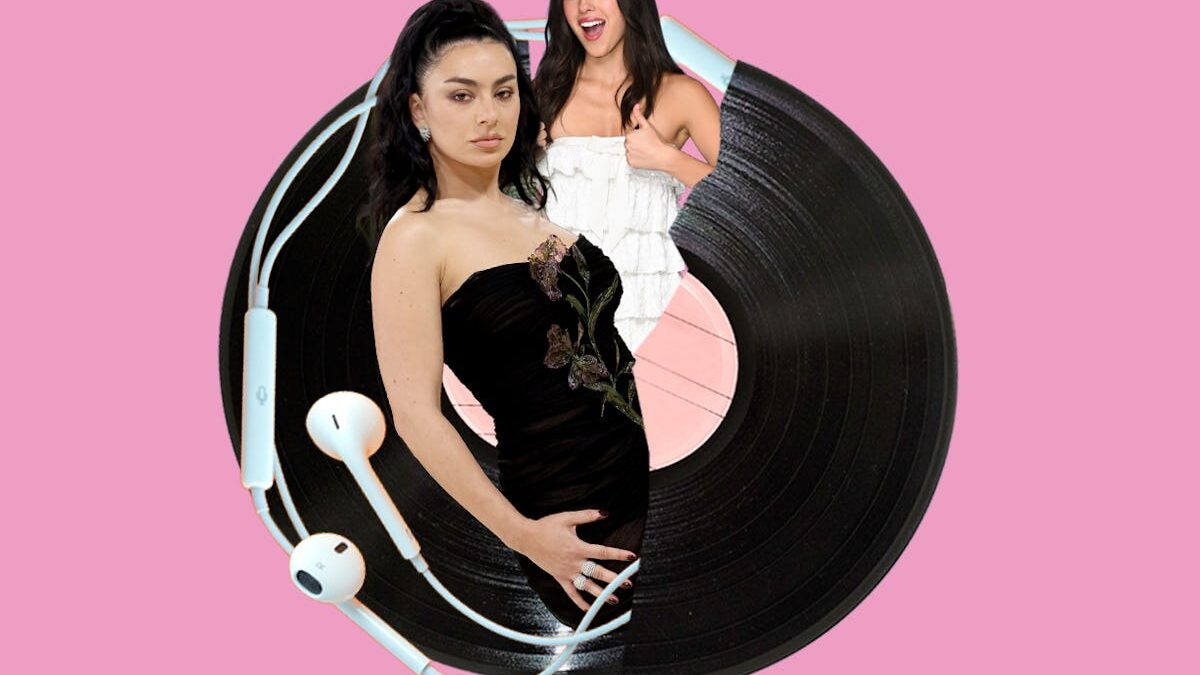
The dynamic between fans and their favorite artists is often celebrated as a beautiful, symbiotic relationship. But lately, some fans have taken their devotion to troubling extremes, crafting “open letters” that resemble more demands than heartfelt messages. Recently, Olivia Rodrigo and Charli XCX found themselves the targets of these unsolicited critiques, sparking a broader conversation about entitlement within fandom culture.
- Fans of Olivia Rodrigo and Charli XCX have written critical open letters, sparking controversy about entitlement in fandoms.
- Rodrigo was criticized for perceived similarities in her music and blocking other artists from charts, while Charli XCX faced backlash for evolving her sound.
- Artists like Charli XCX have spoken out, emphasizing their freedom to create authentically without catering to fan demands.
- The growing entitlement among stans highlights the pressure artists face to meet impossible expectations.
- Fans must recognize that supporting an artist does not grant them control over their creative direction.
Fans and Artists: A Dynamic That’s Changing
The crux of the issue lies in the evolving definition of fandom. Once predominantly characterized by admiration and support, fandom culture has increasingly adopted a transactional tone. In Olivia Rodrigo’s case, a fan criticized her single “drop dead” for being too similar to other artists’ work. Without providing any supporting evidence, the fan also accused her of deliberately blocking Ella Langley from topping the Billboard charts—a claim that seems particularly baseless, considering Rodrigo herself occupies the number one spot.
Similarly, Charli XCX received complaints from fans lamenting her shift away from experimental music to what they described as “blending into current scenes.” Charli responded to these critiques on X, stating, “I’m doing what I feel is truthful to me,” a poignant reminder that artists prioritize their vision above external expectations.
Entitlement in Fandom Culture
The rise of social media has amplified the entitlement of certain fans, giving them direct access to criticize artists publicly. This phenomenon isn’t new, but it has reached concerning heights. Fans now expect artists to cater to their preferences, often forgetting that musicians are individuals with their own creative instincts.
Entitlement manifests in various ways: demanding specific genres, criticizing perceived influences, or even accusing artists of betraying their original sound. While constructive feedback can be valuable, the tone of these open letters often veers into unproductive territory, alienating the very individuals it claims to support.
The Mental Toll on Artists
Artists like Charli XCX and Olivia Rodrigo are not immune to the pressures of constant scrutiny. While constructive criticism is a natural part of any creative profession, the vitriol contained in some fan interactions can take a mental toll. For many musicians, the pressure to please their existing fan base while staying true to their artistic evolution creates a delicate balancing act.
Charli’s defense underscores the emotional strain artists endure, as they’re often forced to justify their creative choices. The constant pushback can stifle innovation, leaving artists stuck in a cycle where they feel obligated to meet fan expectations at the expense of personal growth.
Why Artistic Evolution Matters
Great artists are defined by their ability to evolve. Staying stagnant to satisfy fan demands often leads to creative burnout or uninspired releases. Take Olivia Rodrigo, whose rock-inspired sound has been a consistent thread throughout her career. The call for her to deliver a “proper rock album” ignores the nuances of her existing work and her right to explore new directions.
Fans must understand that they don’t own the artist’s journey. Supporting a musician means embracing their highs, lows, and experiments—not just their hits. Art isn’t meant to cater; it’s meant to challenge, inspire, and provoke.
What This Means for You
As a fan, your role should be to uplift and encourage the artists you admire—not to dictate their creative paths. If a particular release doesn’t resonate with you, it’s perfectly acceptable to step back and revisit their work when it aligns more with your preferences. Criticism should always be rooted in respect, not entitlement.
For Olivia Rodrigo and Charli XCX fans, this moment serves as a reminder to recalibrate expectations. Instead of crafting open letters that demand change, consider celebrating the bravery it takes for artists to pursue their truth. This shift in attitude not only fosters healthier fandom communities but also allows artists to thrive creatively.
Frequently Asked Questions
Why did fans criticize Olivia Rodrigo’s song?
Some fans claimed her song “drop dead” had similarities to other artists’ work and accused her of blocking Ella Langley from topping the charts, though neither claim was substantiated.
How did Charli XCX respond to fan criticism?
Charli addressed the complaints on X, emphasizing that she’s creating music that feels truthful to her, rather than conforming to fan demands.
What is the impact of entitlement in fandom culture?
Entitlement can alienate artists, stifle their creativity, and create unnecessary mental strain due to unrealistic expectations from fans.
Should fans critique their favorite artists?
Constructive criticism is valuable, but fans should approach feedback with respect, understanding that artists are not obligated to meet every demand.
How can fans support artistic evolution?
Fans can support their favorite artists by celebrating their growth and accepting their creative choices, even if not every release resonates personally.