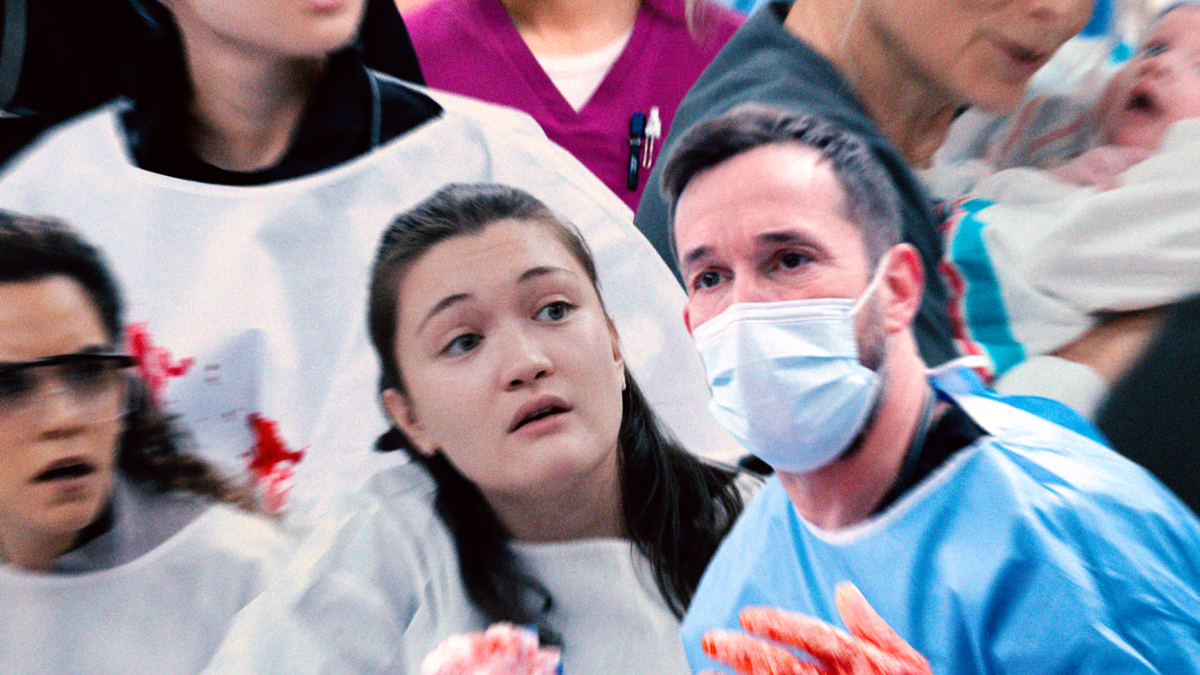
When Edith Lynch collapses in the penultimate episode of The Pitt Season 2, her medical emergency becomes a chilling reminder of how women are treated in emergency rooms. The male EMS workers who attended to her made a basic but dangerous mistake: placing her cardiac leads incorrectly, a misstep that escalated her condition into a life-threatening crisis. By the finale, Judith Lastrade’s harrowing delivery scene further underscores systemic issues in maternity care. These moments aren’t just dramatic television; they’re uncomfortably close to reality for many women navigating our healthcare system.
Key Takeaways
- The Pitt Season 2 highlights real-life inequities in women’s healthcare, from ER errors to maternity care discrimination.
- Women wait longer for pain medication in ERs and face higher mortality rates in cardiac and maternity cases.
- The show’s commitment to authenticity turns its storytelling into a powerful critique of gender bias in medicine.
- Federal funding cuts and legal changes continue to exacerbate the gender health gap in 2026.
How The Pitt Tackles Gender Bias in Medicine
The Pitt has consistently earned praise for its procedural accuracy, but Season 2 goes beyond showcasing medical crises to interrogate why they happen in the first place. Edith’s story isn’t framed as an isolated mistake; it’s depicted as the inevitable result of cultural biases that prioritize male comfort over female safety. Dr. Robby’s blunt critique of his team—asking whether they’d choose modesty or life—forces viewers to confront a harsh reality: women’s lives are often undervalued in moments of medical urgency.
Judith’s case, meanwhile, explores the flip side of this dynamic. Her mistrust of the medical system is rooted in historical inequities and misinformation, but her skepticism nearly costs her life and her baby’s. Through these narratives, The Pitt sheds light on the emotional and psychological toll of navigating a healthcare system that feels, for many women, inherently adversarial.
The Real-Life Statistics Behind the Drama
While Edith and Judith are fictional, the statistics backing their stories are very real. Women wait an average of 30 minutes longer than men for pain medication in ERs, even when reporting identical pain levels. In cardiac emergencies, women under 55 are twice as likely to die in hospital, and overall, are 8.6% less likely to receive defibrillation on scene. Maternity care presents an even grimmer picture: the U.S. has the highest maternal mortality rate among wealthy nations, with women of color facing the highest risks.
These systemic failures aren’t just numbers; they’re lived experiences for countless women who’ve felt dismissed, underestimated, or outright neglected in medical settings. The Pitt uses its platform to amplify these issues, blending entertainment with advocacy in a way that few shows dare.
Why This Story Matters in 2026
The timing of The Pitt’s message couldn’t be more critical. In the post-Dobbs era, federal funding for women’s health programs is under fire, and legal uncertainties have made physicians more risk-averse. While the loudest debates center around reproductive rights, the ripple effects touch every aspect of women’s healthcare.
By dramatizing these inequities, The Pitt provides a much-needed counterbalance to the inertia in addressing the gender health gap. It’s not just about depicting medical emergencies; it’s about naming the biases and systemic flaws that make those emergencies more dangerous for women.
What This Means for You
As a viewer, The Pitt isn’t just compelling television; it’s a call to action. It urges us to advocate for better healthcare policies and hold medical institutions accountable for closing the gender health gap. If you’ve ever felt dismissed or ignored in a medical setting, this show validates your experience while pushing for systemic change.
On a personal level, it’s a reminder to stay informed and proactive about your health. Know your medical history, ask questions, and don’t hesitate to seek second opinions. And if you’re in a position to support organizations fighting for equitable healthcare, now is the time.
Frequently Asked Questions
Is The Pitt based on true stories?
No, the stories in The Pitt are fictional, but they are inspired by real statistics and common medical experiences faced by women.
What are the main issues highlighted in Season 2?
Season 2 focuses on gender bias in emergency medicine and maternity care, showcasing how systemic flaws put women’s lives at risk.
How can viewers support better healthcare for women?
Advocate for policy changes, support organizations fighting for healthcare equity, and stay informed about your own medical rights and history.