This article contains affiliate links. When you purchase through these links, we may earn a commission — at no extra cost to you.
Tyra Banks Must Prove Netflix ‘Manufactured Facts’ to Win Defamation Case
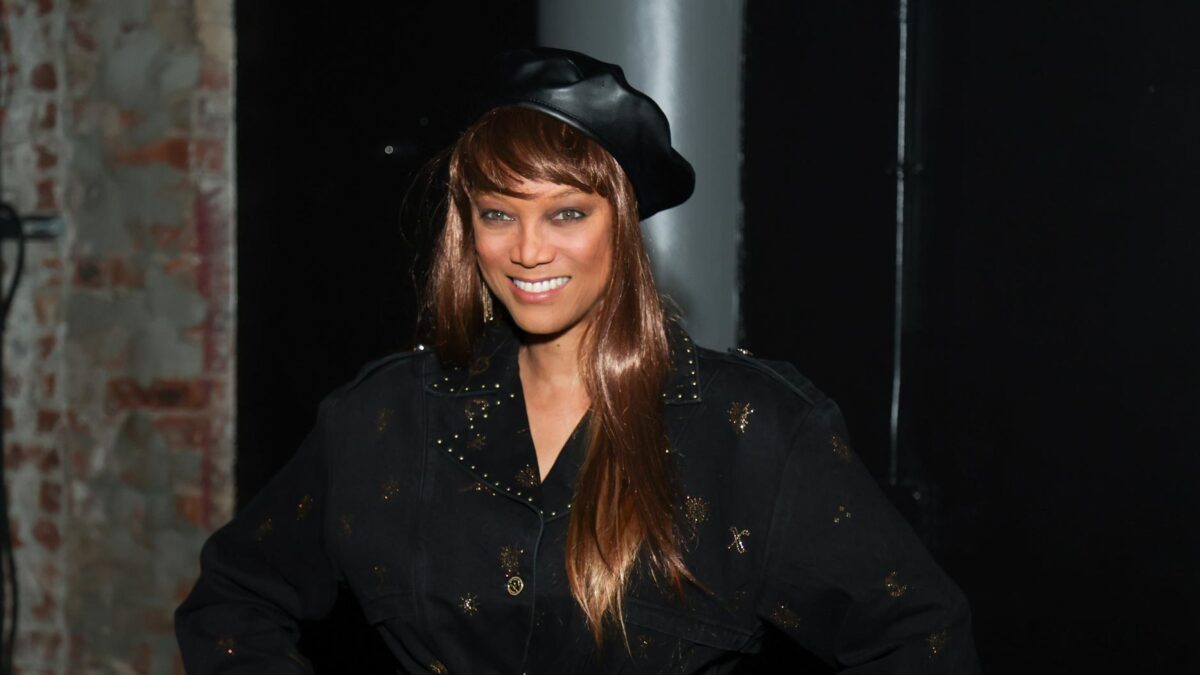
Tyra Banks is taking a bold legal stance in her ongoing lawsuit against Netflix, accusing the streaming giant of defamation and false light portrayal in their documentary Reality Check: Inside America’s Next Top Model. The case hinges on whether Netflix’s editing practices crossed the line from creative freedom to deliberate fabrication of facts.
- Documentary producers generally have broad creative freedom under the First Amendment, but defamation claims arise when edits manufacture objectively false facts.
- Tyra Banks alleges the producers deliberately omitted crucial parts of her interview and manipulated footage to create a false narrative.
- The lawsuit focuses on defamation by implication and false light claims, requiring proof of deliberate malice or reckless disregard for the truth.
- The case highlights the tension between public figures, media portrayals, and legal limits on storytelling.
- Netflix has yet to comment publicly on the allegations.
Tyra Banks’ Lawsuit Details
Banks, 52, filed the lawsuit on June 13, claiming Netflix manipulated her three-and-a-half-hour interview, reducing it to 16 minutes and distorting her words to support a narrative that she describes as defamatory. Specifically, she alleges that the documentary falsely implied she knowingly allowed a contestant to be sexually assaulted during filming, exploited the incident for ratings, and later failed to recall the event.
“The false narrative the producers constructed — through selective editing, deliberate omission, and surgical manipulation of continuous footage — included that Ms. Banks knowingly allowed a contestant to be sexually assaulted on her show, exploited that contestant’s trauma for ratings, and then could not even remember it when asked,” the lawsuit states. Banks asserts that this portrayal is a complete fabrication that has tarnished her reputation.
Legal Challenges Facing Tyra Banks
According to legal experts, Banks faces significant hurdles in proving her claims. Rachael Bennett, a certified family law specialist and senior attorney, explains that documentary producers are typically afforded wide latitude in editing under the First Amendment. While they can cut and rearrange footage, these practices only become defamatory when they create false, objective facts. Banks will need to demonstrate that Netflix deliberately edited the documentary to create a false implication and that this was done with intentional malice.
Defamation by Implication and False Light
Banks’ case rests on two legal claims: defamation by implication and false light portrayal. For the defamation claim, she must prove that Netflix’s editing intentionally implied she was indifferent to the contestant’s sexual assault. Additionally, for the false light claim, Banks needs to show that Netflix portrayed her in a way that would be highly offensive to a reasonable person, and that the producers acted with malice or reckless disregard for the truth.
Public Figures and the Burden of Proof
Legal proceedings involving public figures like Banks are particularly challenging, as the burden of proof is higher. She must establish actual malice — meaning the producers either knew their portrayal was false or acted with reckless disregard for its accuracy. This standard is designed to protect free speech and ensure that public figures cannot easily stifle critical narratives.
Industry Impact and Cultural Discussion
The case raises important questions about the ethics of documentary filmmaking and the boundaries of creative storytelling. While documentaries aim to inform and engage audiences, they also wield significant power to influence public perception. For Banks, the lawsuit represents a fight to reclaim her reputation amid allegations that could irreparably damage her legacy.
What This Means for You
For viewers, this case offers a reminder to approach documentaries critically, understanding that creative editing can sometimes blur the line between truth and narrative. It also highlights the precarious balance between protecting free speech and holding media accountable for its portrayals. If you’re interested in media ethics, this lawsuit underscores the complexities of the entertainment industry and the legal protections for public figures.
FAQ About Tyra Banks’ Lawsuit
- What is Tyra Banks accusing Netflix of? Banks accuses Netflix of defamation and false light portrayal, alleging they manipulated her interview to create a false narrative.
- What does Tyra Banks need to prove to win the case? She must prove that Netflix acted with actual malice, deliberately creating a false and defamatory narrative.
- What is defamation by implication? It involves editing or actions that imply false facts, damaging the person’s reputation.
- How does false light differ from defamation? False light focuses on portraying someone in an offensive way, while defamation requires false factual claims.
- Has Netflix responded to the allegations? As of now, Netflix has not released a public statement regarding the lawsuit.