It’s the age-old salon story: You walk in for a few subtle highlights, and before you know it, you’re trapped in an endless cycle of root touch-ups, purple shampoos, and a platinum blonde so icy it’s practically white. The phenomenon, now dubbed “blonde blindness,” is the point where the pursuit of the perfect blonde goes so far that hair ends up looking flat, overprocessed, and devoid of dimension. But the tides are turning, according to celebrity colorist Emaly Baum, who says richer, warmer tones are finally making their comeback.
- “Blonde blindness” occurs when platinum blonde hair becomes overly ashy, flat, and fried.
- Celebrity colorists are encouraging warmer tones and dimensional blondes for healthier, more vibrant hair.
- Fixing blonde blindness involves techniques like glossing, lowlights, and embracing purposeful warmth.
- Warmer blondes complement most skin tones better than icy shades.
- Healthier blonde tones reduce salon visits and promote better hair growth.
What Is Blonde Blindness?
If blondes have more fun, blonde blindness is the downside of taking that fun too far. As Emaly Baum explains, it’s what happens when you become obsessed with being the blondest version of yourself, to the point where your hair loses its shine, dimension, and overall health. “You’re just trying to be as blonde as you can be and you’ve lost sight of what makes it look expensive — the dimension,” Baum says. What’s left is hair that’s overprocessed and fried, far from the sunny glow you originally wanted.
Signs of blonde blindness include hair that looks chalky, grayish, or dull instead of bright and luminous. Baum identifies the root of the issue in overcorrecting for warmth, where clients push their hair too far into ashy or silvery tones, often clashing with their own skin undertones. “Most people have naturally warm undertones,” she explains. Instead of enhancing their complexion, overly ashy blonde can make skin look red, sallow, or lifeless.
The Blonde Blindness Recovery Trend
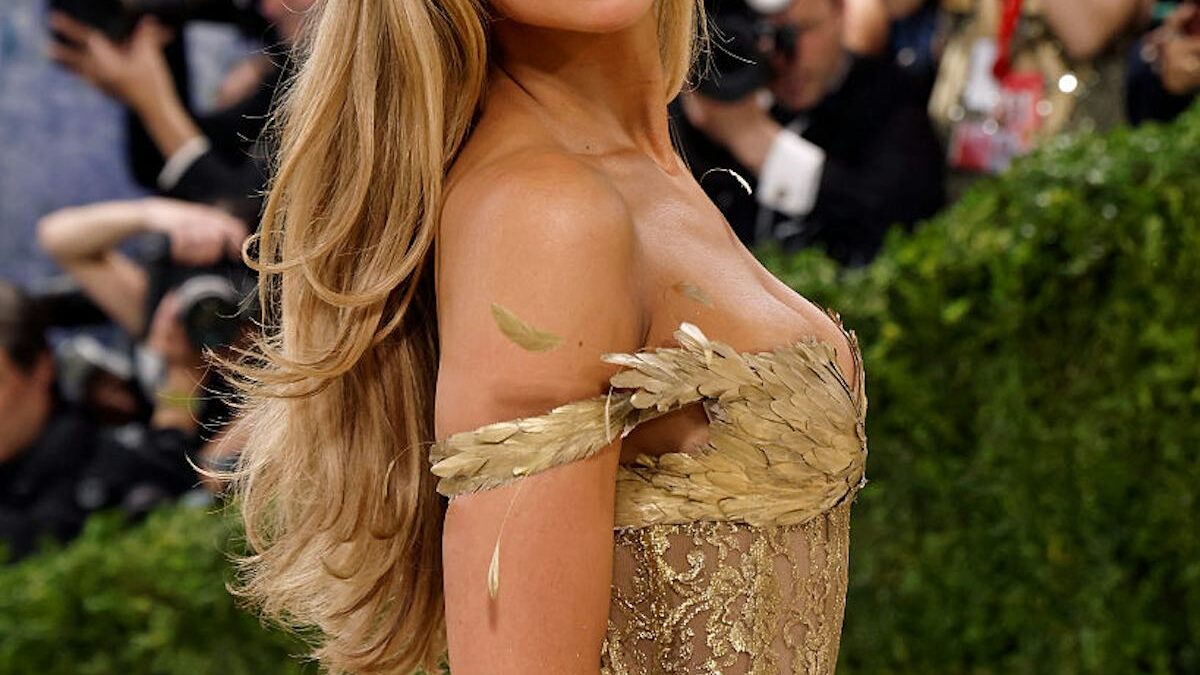
Thankfully, you don’t need to abandon blonde altogether to recover from blonde blindness. On TikTok, creators have started documenting their recovery journeys, showcasing transformations from icy platinum to warmer, dimensional blondes with honey, golden, or baby blonde tones. Baum highlights examples like Elle Fanning’s creamy golden locks and Sarah Pidgeon’s Carolyn Bessette Kennedy-inspired blonde as perfect ways to embrace purposeful warmth without veering into brassiness.
For those hesitant to go darker, Baum suggests simple adjustments that bring life back into your blonde: swapping out toner for warmer shades, adding lowlights for dimension, or opting for glossing treatments to restore shine. “You can have really blonde, bright hair, but it’s more like a baby blonde that reads slightly yellowy,” she explains. The key is ensuring your hair reflects light and has movement — the hallmarks of healthy, expensive-looking blonde.
Why Warmer Tones Are Winning
Warm, dimensional blondes are not just a trend; they’re a practical choice for long-term hair health and maintenance. Baum emphasizes that warmer tones align better with most people’s natural undertones, making for a more flattering look and easier upkeep. “When you’re not fighting against your natural undertones, whatever they may be, you’re going to have more longevity between appointments,” she says.
With less frequent salon visits, hair has a chance to recover from constant bleaching, resulting in stronger, shinier locks. For those tired of living in the salon chair every six weeks, embracing warmer tones offers a refreshing change that balances beauty and practicality.
What This Means for You
If you’ve been chasing icy platinum hair for years, it might be time to look in the mirror — literally — and reassess whether it’s truly working for you. The shift toward warmer blondes doesn’t mean giving up brightness or glamour; it’s about finding tones that enhance your natural beauty and bring dimension to your hair. Consider asking your stylist for subtle lowlights, a gloss treatment, or a toner that introduces purposeful warmth. You’ll see immediate improvements in shine and vibrancy.
Beyond the aesthetic uplift, choosing healthier blonde options can save you time, money, and hair health in the long run. With fewer touch-ups and less damage, you’ll enjoy a color that grows out gracefully and looks great between appointments. Warm blondes are not just a trend; they’re a smarter way to embrace blonde without the burnout.
- What is blonde blindness?
- Blonde blindness is the phenomenon of pushing platinum blonde hair to the point where it looks flat, overprocessed, and devoid of dimension.
- How can I fix blonde blindness?
- Recovery involves adding warmth with lowlights, swapping toner, or getting a glossing treatment to restore shine and dimension to your hair.
- Are warmer blondes better for most skin tones?
- Yes, warmer blondes complement natural undertones, enhancing your complexion instead of clashing with it.
- Will warmer blondes reduce salon visits?
- Yes, healthier blonde tones grow out better and require less frequent touch-ups, saving time and promoting hair health.
- What is purposeful warmth?
- Purposeful warmth refers to blonde tones that introduce golden, honey, or baby blonde shades without veering into brassiness.