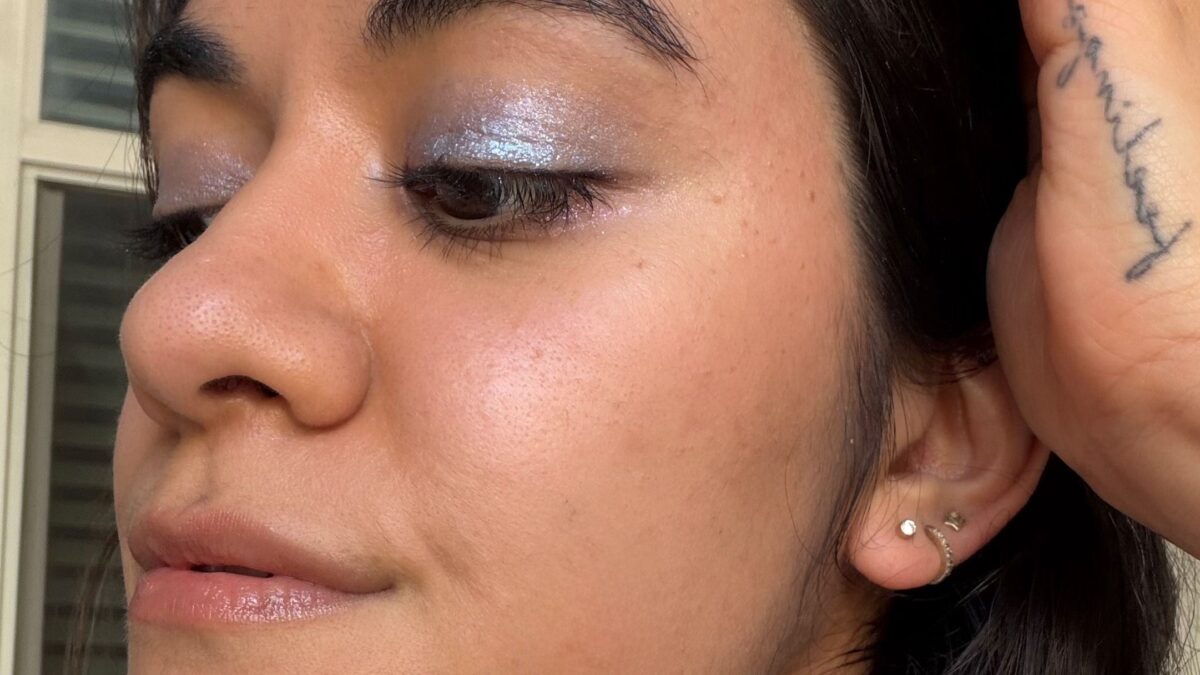
For years, I misinterpreted the tiny brown spots clustered on my cheekbones as acne scars or sun spots. Like many people, I assumed they were just another sign of aging or past skin damage. But during a conversation with Dr. Victoria Humphrey, a New York-based dermatologist, at the American Academy of Dermatology’s annual meeting, I learned I was completely wrong. These spots, as Dr. Humphrey explained, were dermatosis papulosa nigra (DPN), a benign skin condition sometimes referred to as “Black girl freckles.”
- DPN is a common, benign skin condition that often appears in late 20s or early 30s.
- It’s most common in Black skin but can affect Asian, Hispanic, and mixed-race individuals.
- DPN is often mistaken for acne scars, sun spots, or moles but has distinct characteristics.
- Professional treatments include electrodesiccation, curettage, lasers, cryotherapy, or surgical scissors.
- Treatment costs range from $250 to $1,000 per session and are typically not covered by insurance.
What Is DPN?
Dermatosis papulosa nigra is a benign skin condition that starts appearing in your late 20s or early 30s. It manifests as small, raised brown spots that cluster together, most commonly on the cheeks, eyelids, and temples. In some cases, it can also appear on the neck, chest, or upper back. While often associated with Black skin, it can affect people of Asian, Hispanic, and mixed-race backgrounds.
Dr. Humphrey explained how DPN differs from other skin conditions: “Skin tags are soft and fleshy, typically found in folds like the neck or underarms. Warts have a rough, cauliflower-like texture, and moles grow from deeper skin layers and appear randomly across the body.” In contrast, DPN spots are dark, consistently pigmented, and almost always found in clusters.
Causes of DPN
While DPN is primarily genetic, environmental factors like sun exposure may influence the number and visibility of spots but don’t directly cause the condition. “If your parents or grandparents have it, there’s a high likelihood you will too,” Dr. Humphrey noted.
For individuals like me who’ve spent years in sunny climates, UV exposure may accelerate the appearance of DPN, but the condition itself is rooted in genetics. This serves as a reminder to prioritize sun protection to mitigate potential risks.
Treatment Options for DPN
Unfortunately, DPN does not respond to topical treatments like vitamin C serums, exfoliating acids, or retinoids. If removal is desired, professional procedures are the most effective option. Available treatments include:
- Electrodesiccation: Using an electric needle to zap each spot.
- Curettage: Gently scraping spots off the skin.
- Laser treatments: Targeting spots with precision to minimize trauma.
- Cryotherapy: Freezing spots with liquid nitrogen.
- Surgical scissors: Snipping spots off manually.
Electrodesiccation and laser treatments are often preferred for darker skin tones due to their precision and lower risk of hyperpigmentation. However, it’s essential to consult a dermatologist experienced in treating diverse skin types.
Cost and Risks of DPN Removal
Since DPN removal is considered cosmetic, it’s not typically covered by insurance. Costs can range from $250 to $1,000 per session, depending on the number of spots and the provider.
While removal methods are generally safe, complications like post-inflammatory hyperpigmentation or hypopigmentation can occur, especially in darker skin tones. Dr. Humphrey emphasized the importance of post-treatment care to minimize these risks.
What This Means for You
If you’ve been struggling to identify or treat persistent brown spots, it’s worth consulting a dermatologist to determine if they’re DPN. This condition is harmless but can be cosmetically bothersome for some individuals. For removal, prioritize professional treatments over DIY methods to avoid skin damage.
Additionally, understanding the genetic and environmental factors behind DPN can help you make informed decisions about skincare and sun protection. If treatment costs are a concern, discuss alternative options with your dermatologist or research financing plans.
Frequently Asked Questions
What does DPN look like?
DPN spots are small, raised, and darkly pigmented. They typically cluster on the cheeks, eyelids, and temples.
Can DPN be treated with topical products?
No, DPN does not respond to topical treatments. Removal requires professional procedures.
Is DPN dangerous?
No, DPN is a benign condition and poses no health risks.
How much does DPN removal cost?
Costs range from $250 to $1,000 per session, depending on the number of spots treated and the provider.
What are the risks of DPN removal?
Potential risks include post-inflammatory hyperpigmentation or hypopigmentation, especially in darker skin tones.