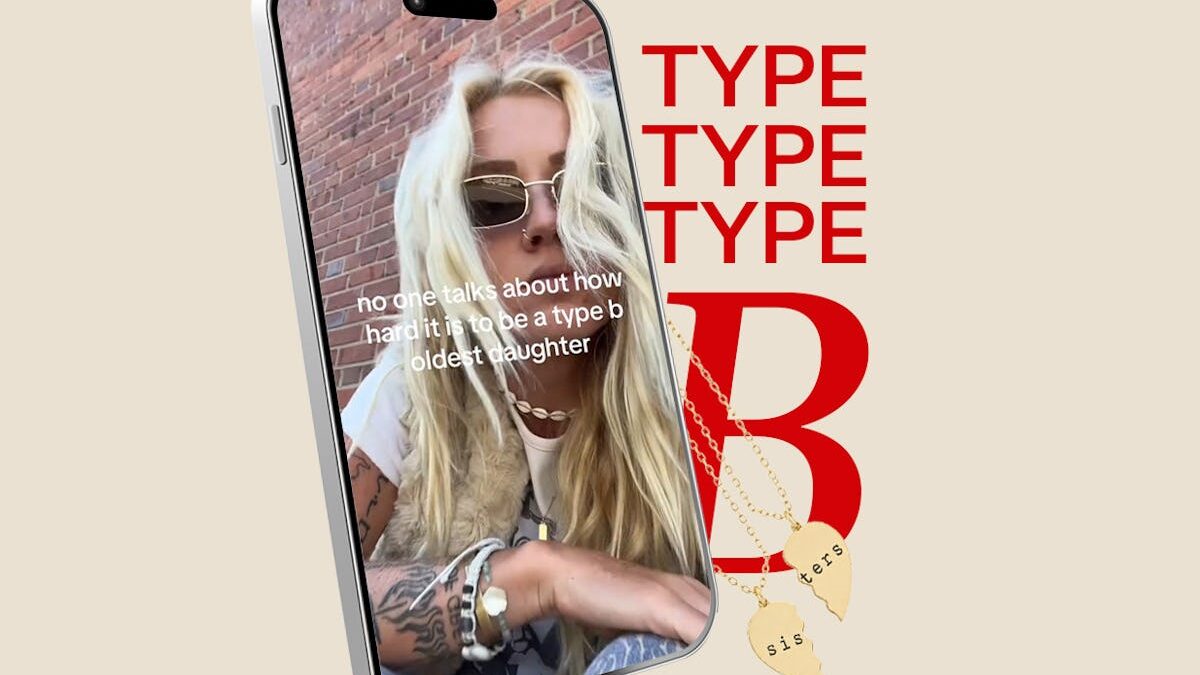
The stereotype of older sisters—organized, overachieving, and Type A to the core—has dominated pop culture for years. From Taylor Swift’s “Eldest Daughter” TikTok trend to Noah Kahan’s heartfelt ode to his sister in “American Cars,” eldest daughters are often portrayed as the family problem-solvers, the ones who patch things up and hold everything together. But what happens when the eldest daughter doesn’t fit into this mold? What if she’s a Type B personality, defying expectations and embracing a more laid-back, messy approach to life? It turns out, she’s not alone.
- Not all older sisters embody Type A traits; Type B personalities are equally valid.
- Pop culture often overlooks messy, disorganized eldest daughters, creating unrealistic expectations.
- Type B eldest daughters may find freedom in rejecting people-pleasing tendencies.
- Birth-order stereotypes can feel restrictive, but individuality matters more.
- Noah Kahan’s music resonates with diverse sibling experiences, including Type B dynamics.
Pop Culture Perceptions
The idea of the eldest daughter as a Type A personality has been reinforced by media and social conversations for years. Songs like Noah Kahan’s “American Cars” highlight the pressure many older siblings feel to be the family’s anchor. Lyrics such as “You’re gonna fix it, you’re gonna patch it up” resonate deeply with those who have taken on the role of caretaker and problem-solver. Similarly, Taylor Swift’s “Eldest Daughter” trend on TikTok sparked a wave of confessional videos from women who felt like their childhoods were defined by sacrifice and responsibility.
However, these portrayals often ignore the diversity of experiences among eldest daughters. While many thrive under the weight of responsibility, others—like those with Type B personalities—embrace a more relaxed, less structured approach to life.
What It Means to Be Type B
Type B personalities are known for being laid-back, creative, and less concerned with perfection. For eldest daughters who fall into this category, the pressure to live up to traditional expectations can feel like a mismatch. Instead of meticulously organized planners and rigid schedules, Type B eldest daughters may thrive amid chaos, procrastination, or spontaneous decision-making.
One writer shared her experience of growing up as the oldest of four siblings, yet feeling disconnected from the Type A stereotype. Despite moments of familial responsibility—such as feeling guilt about moving away—her tendencies leaned more toward procrastination and disorganization. The realization that she wasn’t the “girlboss” eldest daughter came only when she compared herself to her middle sibling, whose passion for organized Excel sheets and law school applications epitomized the Type A archetype.
Breaking the Stereotype
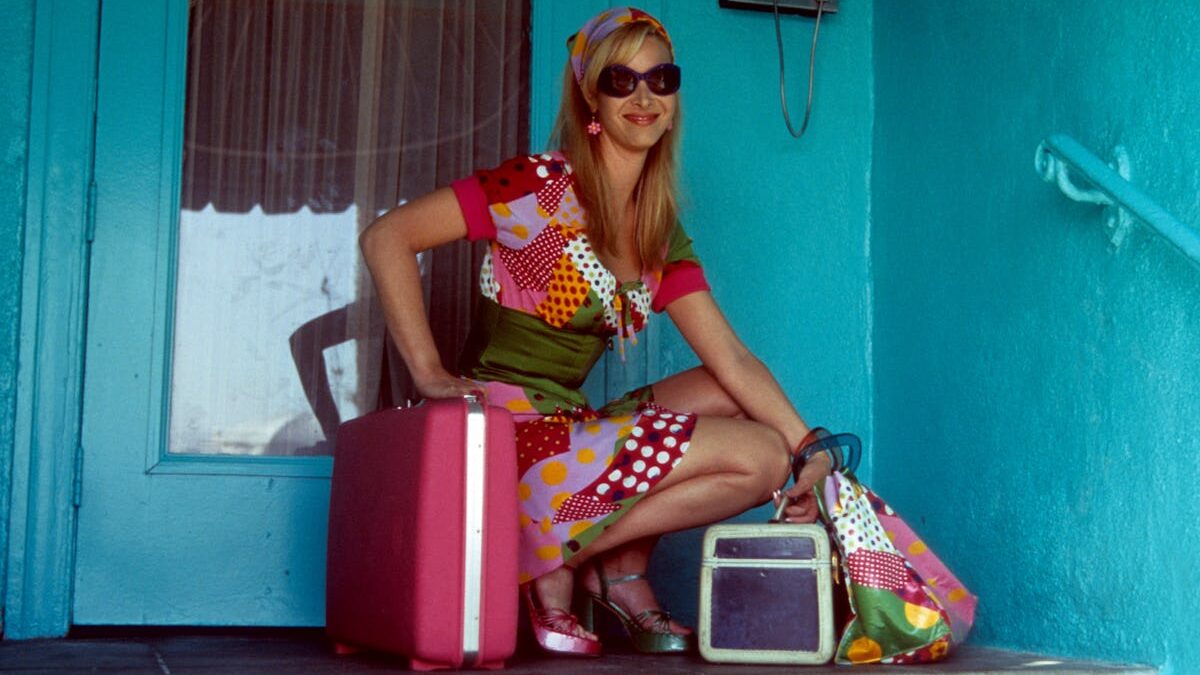
The absence of Type B eldest daughters in pop culture reinforces the idea that older sisters must always be the dependable, high-achieving ones. Characters like Haley Dunphy from “Modern Family” are rare representations of eldest daughters who embrace their flaws and messiness. For Type B personalities, this lack of visibility can feel alienating, as if their experiences don’t match societal expectations.
Despite these challenges, Type B eldest daughters find freedom in rejecting traditional stereotypes. They understand that perfection isn’t the goal, and pleasing everyone is impossible. This self-acceptance can lead to a healthier approach to life and relationships, even if it means being misunderstood by those who expect them to fit a certain mold.
What This Means for You
If you’re an eldest daughter who doesn’t fit the Type A stereotype, you’re not alone. Birth-order psychology is far from definitive, and individuality matters more than labels. Embrace your unique traits, whether that means thriving in spontaneity or finding joy in creativity and relaxation.
This moment in pop culture reminds us that siblings come in all shapes and personalities. You don’t need to live up to anyone’s expectations—becoming your best self is what truly matters. Whether you relate to Noah Kahan’s introspective lyrics or find solace in rejecting people-pleasing tendencies, remember that there’s no “right” way to be an eldest daughter.
Frequently Asked Questions
What is the Type A stereotype for eldest daughters?
Type A eldest daughters are often portrayed as organized, responsible, and high-achieving. They’re seen as the family’s problem-solvers and caretakers.
Can older sisters be Type B personalities?
Absolutely. Many eldest daughters defy the Type A stereotype, embracing laid-back, creative, and more spontaneous approaches to life.
Why does pop culture focus on Type A eldest daughters?
Media often highlights caretaker and perfectionist roles because they resonate with traditional views of responsibility. Type B personalities are less represented but equally valid.
How can Type B eldest daughters thrive?
By embracing their individuality and rejecting societal pressure for perfection, Type B eldest daughters can find freedom and fulfillment in their unique traits.
Is birth-order psychology scientifically proven?
Birth-order psychology is not definitive. While it can provide insights, personality traits are influenced by numerous factors beyond sibling dynamics.