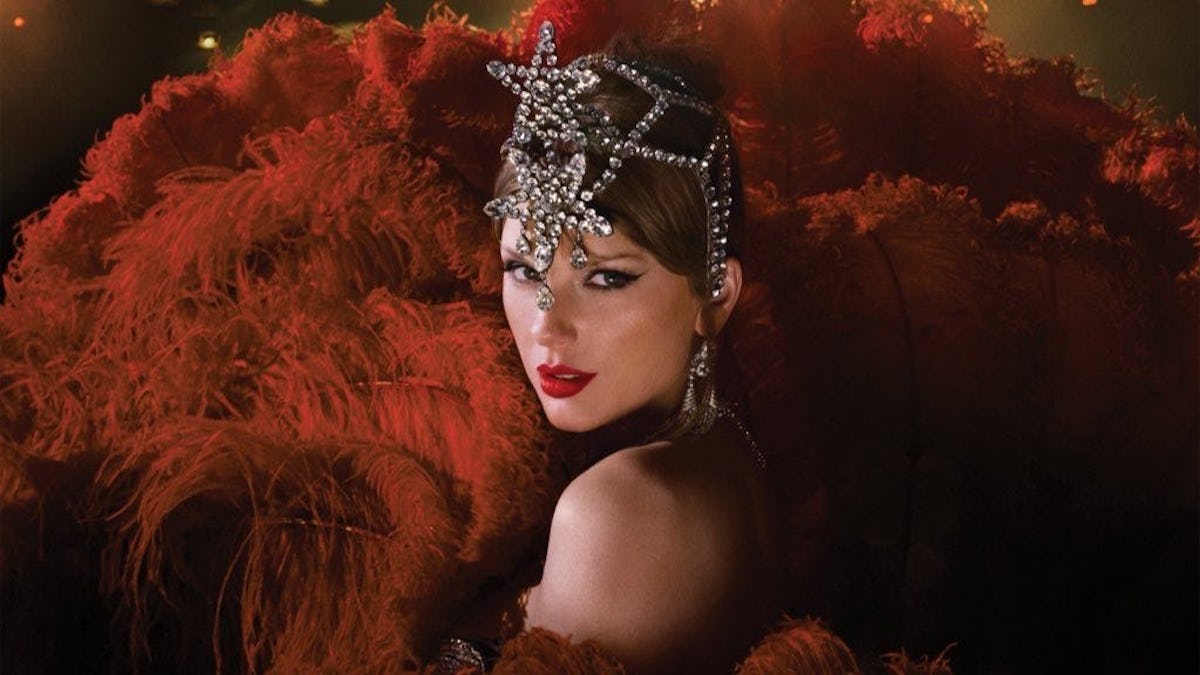
On May 6, Taylor Swift’s legal team fired back against claims made by Las Vegas showgirl Maren Flagg, who accused Swift of trademark infringement over her album Life of a Showgirl. Flagg, who owns the trademarked brand “Confessions of a Showgirl,” argued that Swift’s album title and branding closely resembled hers, creating confusion among consumers and infringing on her intellectual property.
Key Takeaways
- Taylor Swift’s lawyers argue that Maren Flagg’s claim of trademark infringement is baseless, citing the absence of consumer confusion.
- Flagg allegedly used Swift’s album title and branding in her own marketing efforts, which Swift’s team claims constitutes clear infringement.
- The lawsuit raises questions about intellectual property rights and First Amendment protections for artists.
- Swift’s legal team is seeking dismissal of the case and is countering with claims of misuse by Flagg.
The Origins of the Dispute
Maren Flagg, known for her cabaret performances and branded content under “Confessions of a Showgirl,” filed a lawsuit in March 2026. She claimed that Swift’s album title and branding shared “the same structure, the same dominant phrase, and the same overall commercial impression” as her trademarked name. According to Flagg, this overlap targeted the same consumer base and created confusion in the entertainment marketplace. Her legal team sought a preliminary injunction to prevent Swift from continuing to use the Life of a Showgirl branding.
However, Swift’s attorneys were quick to dismantle these claims in their May 6 filing. They argued that Flagg’s cabaret shows and Swift’s musical albums are fundamentally different forms of entertainment, targeting distinct markets and audiences. They emphasized that Flagg performs exclusively in small, intimate venues and currently has no upcoming performances, undermining her claim of overlapping markets.
Flagg’s Alleged Misuse of Swift’s Branding
Swift’s legal team highlighted what they described as Flagg’s deliberate attempts to capitalize on Swift’s album announcement in her own marketing. According to the brief, Flagg reframed her brand around the album, using the phrase “Life of a Showgirl” in over 40 social media posts following Swift’s August 2025 announcement. Her Instagram and TikTok accounts allegedly featured content aligning herself with Swift’s album, including a podcast launch that mimicked Swift’s artwork, logo, title, and taglines.
“Plaintiff’s commercial use of Swift’s Life of a Showgirl album constitutes clear infringement under federal law,” the brief stated. Swift’s lawyers further argued that Flagg’s actions were an attempt to “prop up her brand” by leveraging Swift’s name and intellectual property.
Legal Arguments and First Amendment Protections
At the core of Swift’s defense is the argument that her album title is protected under the First Amendment. The brief emphasized that titles of expressive works, such as music albums, are safeguarded by freedom of speech. The legal team argued that consumers are unlikely to confuse an album title with a cabaret performance brand, given the fundamental differences between the two.
Furthermore, Swift’s attorneys pointed out that Flagg’s lawsuit lacked substantive evidence of consumer confusion, which is a critical component of trademark infringement claims. They described the lawsuit as “absurd” and called for its dismissal, asserting that Flagg’s actions were an attempt to exploit Swift’s global fame for personal gain.
What This Means for You
This legal battle highlights the complexities surrounding intellectual property rights and how they intersect with artistic expression. For artists and creators, it’s a reminder to carefully consider branding and trademark implications when naming projects. If you’re working in entertainment or branding, this case demonstrates the importance of distinguishing your work from existing trademarks while also protecting your own intellectual property from misuse.
For fans and followers, this dispute underscores the challenges celebrities face in navigating fame and legal issues. It also raises broader questions about how smaller creators interact with larger, influential figures in the industry. The case is a fascinating study of how intellectual property laws are applied in creative fields, from cabaret shows to music albums.
Frequently Asked Questions
What is Maren Flagg’s trademark claim against Taylor Swift?
Flagg alleges that Swift’s album Life of a Showgirl infringes on her trademarked brand, “Confessions of a Showgirl,” citing similarities in phrasing and branding that target the same audience.
How has Swift’s legal team responded?
Swift’s lawyers argue that the lawsuit is baseless, emphasizing the lack of consumer confusion and accusing Flagg of using Swift’s branding to promote her own work.
What role does the First Amendment play in this case?
Swift’s legal team contends that her album title is protected by the First Amendment, which safeguards artistic expression and limits trademark claims on expressive works.