Russell Brand Finds Bible Passage Read in Court After Interview Blunder
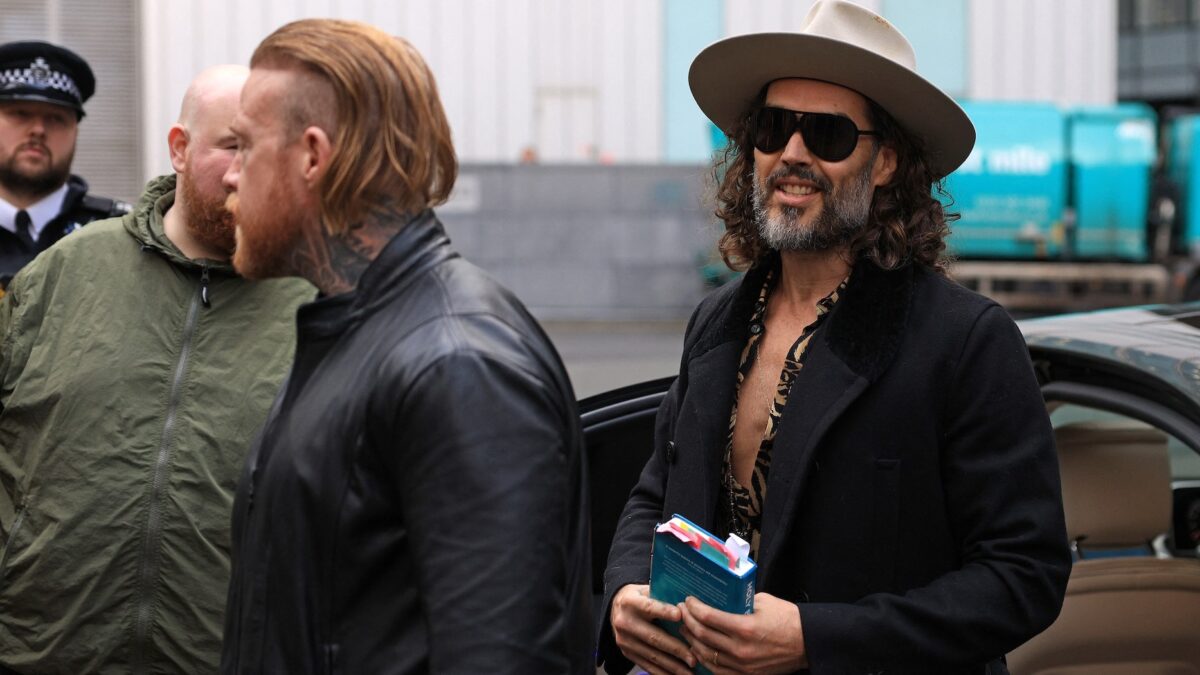
Russell Brand recently shared a Bible passage that he claims provided him solace during his February court hearing on rape and sexual assault charges. The revelation comes after Brand struggled to name the specific verse during a viral interview with Piers Morgan, leading to widespread criticism of his motives for carrying the holy book to court.
- Russell Brand revealed the Bible verse he referenced during his court appearance, Isaiah 43:18-19.
- Critics questioned his sincerity after he fumbled to recall the passage during an interview with Piers Morgan.
- Brand framed the verse as symbolic of personal and cultural renewal amidst global turmoil.
- The former actor faces allegations of rape and sexual assault, which he has denied.
- His comments have reignited debates about the use of faith in public defense narratives.
Brand’s Court Appearance and the Bible
During his February court hearing, Brand was seen holding a Bible, a gesture that sparked speculation about its significance. In a recent video, he explained that the verse he found meaningful was Isaiah 43:18-19: “Forget the former things; do not dwell on the past. See, I am doing a new thing! Now it springs up; do you not perceive it? I am making a way in the wilderness and streams in the wasteland.”
Brand described the verse as a source of hope and a reminder of renewal amid adversity, aligning it with both his personal struggles and broader societal challenges. He apologized for his earlier failure to recall the passage during his interview with Morgan, attributing it to the pressure of the moment.
Public Reaction to Brand’s Faith Narrative
The Piers Morgan interview, where Brand was unable to name the verse, quickly went viral. Critics interpreted this as evidence that Brand’s newfound Christian faith might be a strategic deflection rather than genuine conviction. The backlash highlights the skepticism faced by public figures who invoke faith in the context of legal and personal controversies.
Faith experts note that while spirituality can be a powerful coping mechanism, its public display during high-profile trials can invite scrutiny. “People often turn to religion during crises, but the timing and context matter greatly in how it’s perceived,” says Dr. Emily Carter, a psychologist specializing in public perception and faith.
The Symbolism of Isaiah 43:18-19
Brand’s chosen verse emphasizes leaving the past behind and embracing renewal, a message that resonates deeply in times of uncertainty. He extended the metaphor to societal issues, comparing today’s global landscape to a “wasteland” in need of transformation. He suggested that both personal and collective challenges could align with divine guidance for renewal.
Religious scholars point out that Isaiah’s prophecy often serves as a beacon of hope, urging believers to trust in divine intervention during times of hardship. However, using such passages in a legal defense context could blur the lines between personal faith and public accountability.
Brand’s Ongoing Legal Battle
Russell Brand currently faces charges of rape and sexual assault involving six women, with allegations spanning from 1999 to 2009. He has denied all accusations, asserting that his past relationships were consensual. In a separate interview with Megyn Kelly, Brand admitted to having a sexual relationship with a 16-year-old when he was 30, citing the age of consent in the UK as his legal defense.
The charges have reignited conversations about accountability, consent laws, and the role of public figures in setting societal standards. While Brand has framed his past actions as part of his younger, more reckless persona, critics argue that such admissions further complicate his public redemption narrative.
What This Means for You
For readers, Brand’s case serves as a reminder of the complex intersection between faith, accountability, and public perception. If you’re navigating personal challenges, turning to spirituality can provide solace, but sincerity is key. Public displays of faith, especially during crises, should align with personal authenticity to avoid skepticism.
Additionally, this case highlights the importance of understanding legal and cultural contexts when discussing sensitive issues like consent and accountability. If you or someone you know is grappling with similar challenges, resources like the National Sexual Assault Hotline (1-800-656-HOPE) can offer support.
FAQs
- What was the Bible verse Russell Brand referenced?
- Brand cited Isaiah 43:18-19, which speaks about renewal and leaving the past behind.
- Why did Russell Brand carry a Bible to court?
- Brand claimed the Bible provided him solace during his court hearing on serious allegations.
- What are the allegations against Russell Brand?
- Brand faces charges of rape and sexual assault involving six women, spanning a decade.
- How has the public responded to Brand’s faith narrative?
- Many have questioned the sincerity of his religious conversion, viewing it as a deflection tactic.
- Where can I seek help for sexual assault?
- The National Sexual Assault Hotline (1-800-656-HOPE) offers confidential support and resources.